A Smart, Livable City at the Heart of the Eastern Aviation Metropolis Designed with a genuine focus on enhancing quality of life, this smart and livable city integrates spaces for work, investment, residence, and daily living in a balanced and sustainable manner. The city’s development is driven through a Public–Private Partnership (PPP) scheme, bringing together government, private sector, and community collaboration. International-standard innovations are applied to create an environment that enhances overall quality of life, while advancing the city toward its goal of becoming a Net Zero City.
EECiti
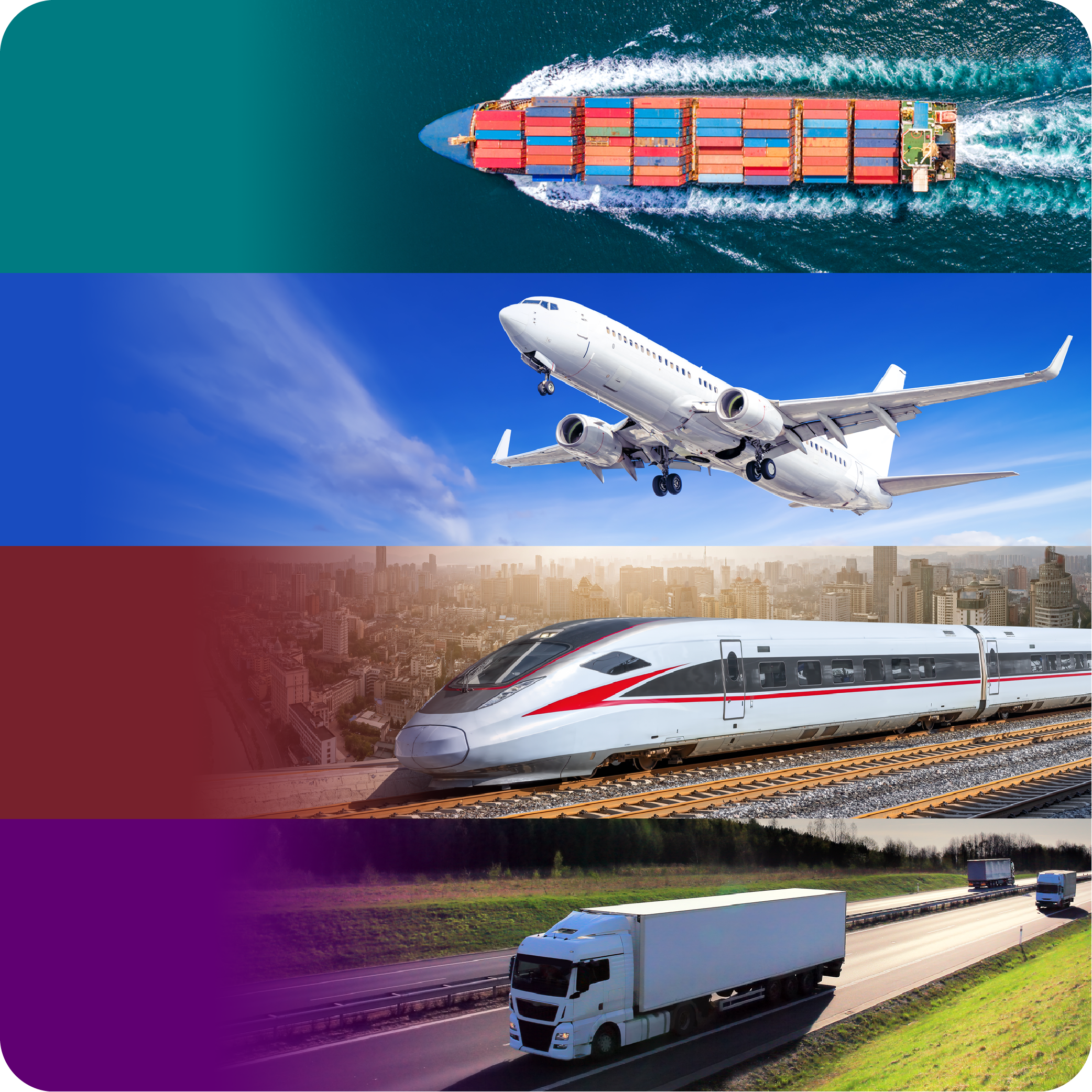
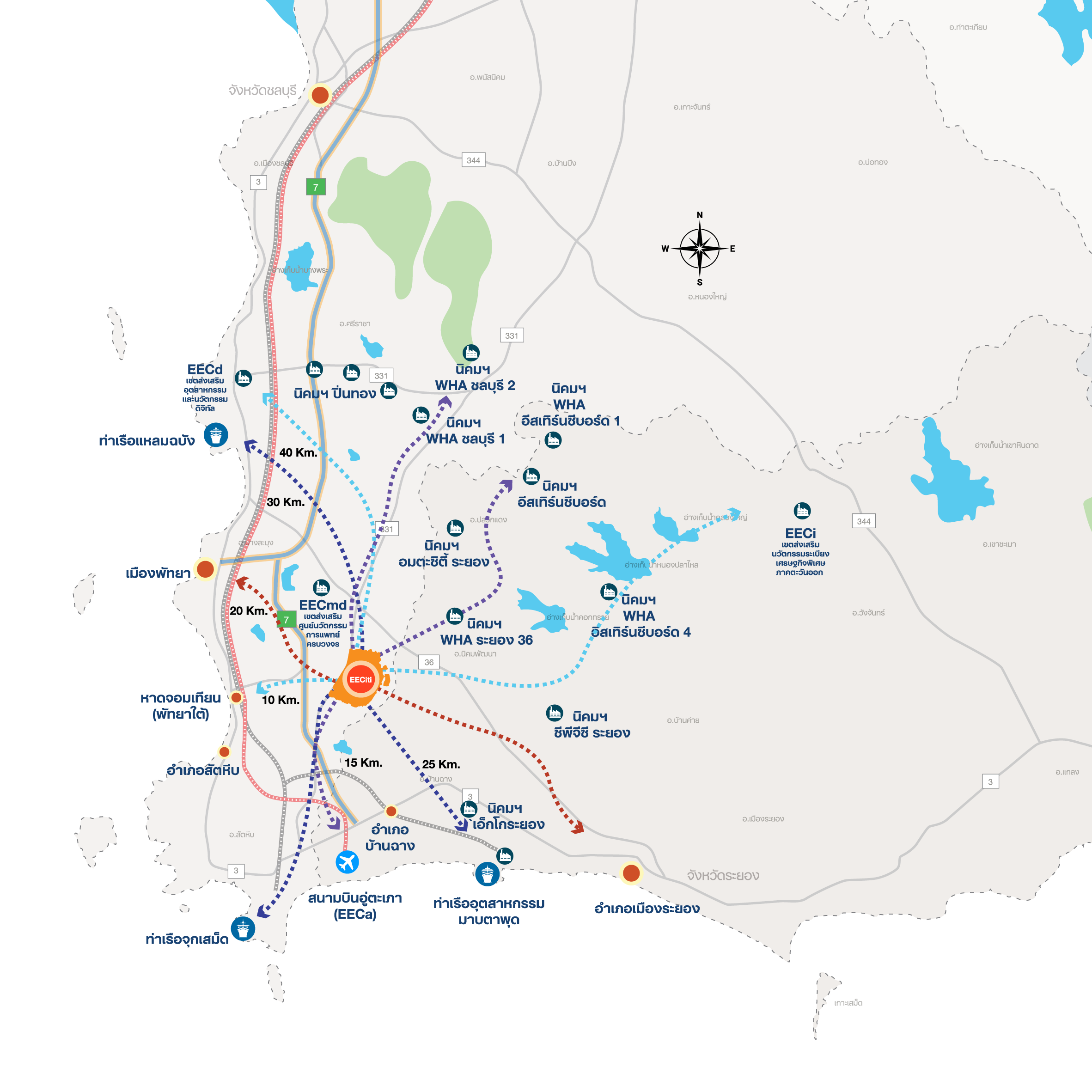
Situated in a prime regional location, EECiti is seamlessly connected to Thailand’s and Asia’s major transportation networks. Centrally positioned among international airports, high-speed rail, deep-sea ports, leading industrial estates, and modern logistics systems, it serves as a “new business hub” ready to welcome global investors, entrepreneurs, and high-skilled professionals. At the same time, it is envisioned as a
“livable city for everyone,” growing sustainably and inclusively.
EECiti: A Regional Business Hub
EECiti serves as a regional hub for business and financial services, harmoniously integrating nature, people, and technology to drive sustainable growth under the Bio-Circular-Green (BCG) Economy model. The project aspires to become
one of the world’s top ten smart and livable cities in the future.
Location:
Bang Lamung District, Chon Buri Province
Travel Distance:
160 km from Bangkok
10 km from Pattaya
15 km from U-Tapao International Airport
Total Area:
Approximately 15,000 rai (2,400 hectares)
Approximately 5,000 rai (800 hectares) designated for the first phase of development
Land Use Ratio:
30% - Green areas
70% - Infrastructure and functional spaces
Investment Value:
Approximately 1.34 trillion baht
Design Concept:
100% clean energy
Self-sufficient water management
Zero carbon and zero waste
Adaptive and resilient to future global challenges
Development Period:
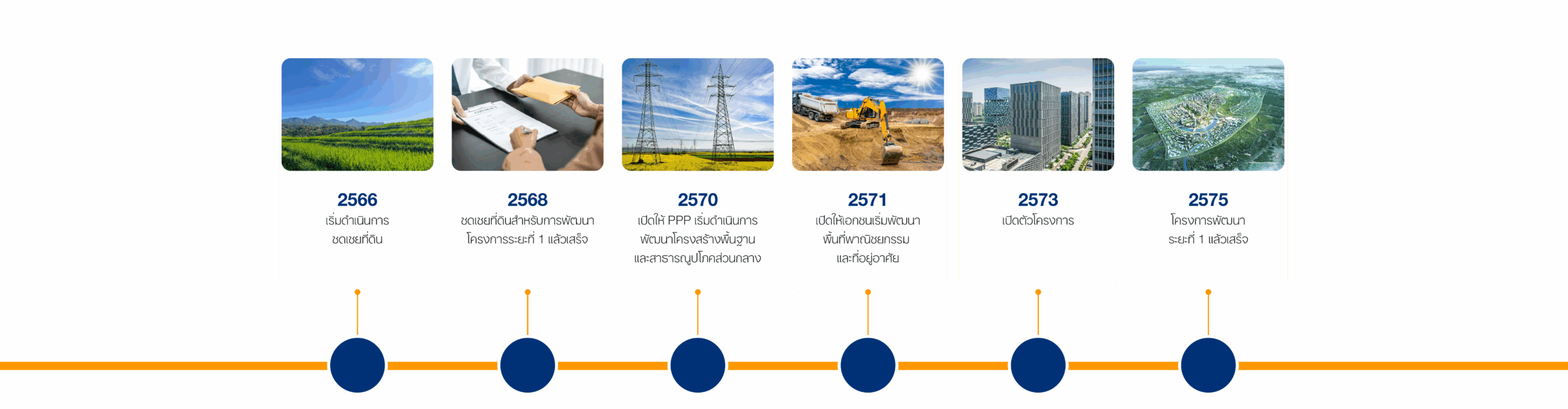
2022–2032 (One year for preparation and ten years for full-scale development)
EECiti is designed with fully integrated infrastructure and utilities built to international standards,
supporting future-oriented business development – investment, research, and residential living – all within a well-balanced urban ecosystem. The city places strong emphasis on fostering an environment conducive to innovation and creativity, enabling multidimensional economic growth and offering sustainable, high-quality living and working opportunities for all.
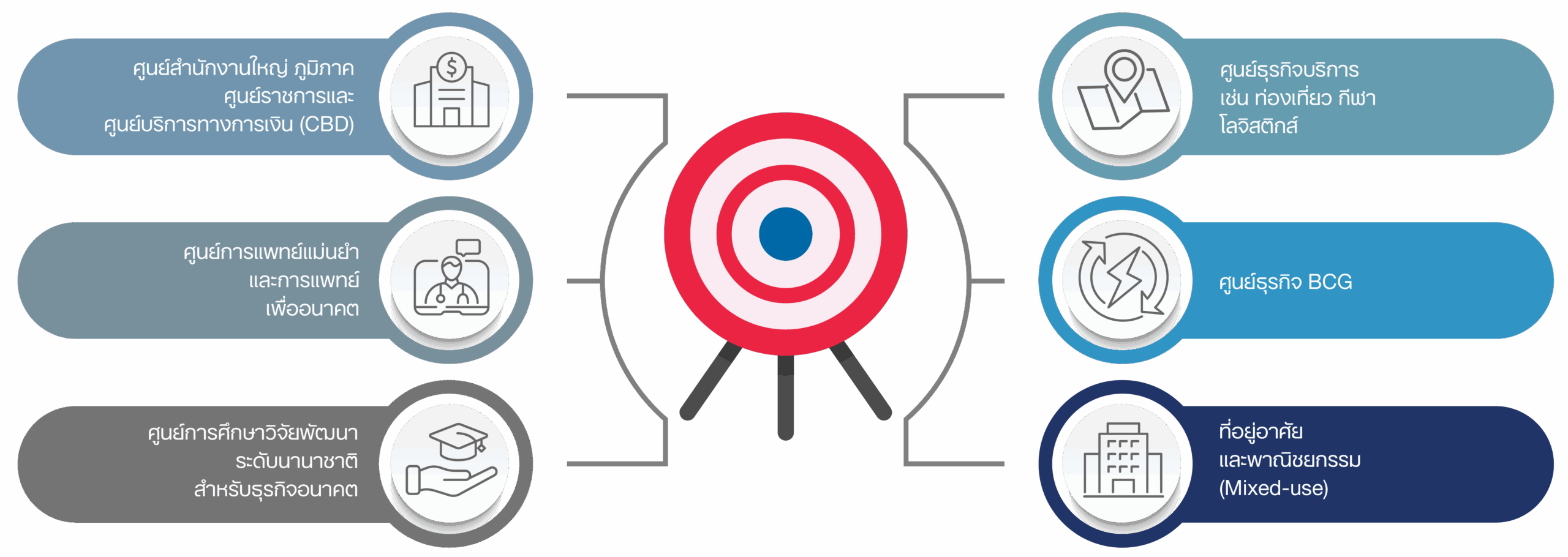
Six Target Business Groups
EECiti: A Model Smart City
1. Smart Environment
Smart water management, water recycling, waste management, air quality monitoring and alert systems, and green spaces comprising no less than 30% of the total area
2. Smart Government
Management of urban data services
3. Smart Economy
Financial technology
4. Smart Living
Integrating public health systems, service robotics, artificial intelligence, safety and disaster warning systems, and elderly care.
5. Smart People
Promoting education, innovation, and integrating learning, work, and leisure
6. Smart Energy
Employing clean energy, District Cooling systems, and comprehensive energy management
7. Smart Mobility
Enhancing transportation convenience, efficiency, and safety while maintaining environmental sustainability
EECiti is developed under a Public–Private Partnership (PPP) model.
The public sector is responsible for land management and the comprehensive development of core infrastructure and utilities, providing a stable foundation and ensuring efficient urban connectivity. The private sector participates in investment and the development of key projects, including residential, commercial, and public service areas. This collaborative approach ensures a balance between systematic urban planning and the creation of diverse business opportunities.
EECiti is, therefore, a smart city with high potential in investment, quality of life, and long-term urban sustainability. The EECO invites private sector participation in 10 key investment areas:
1. Power and Energy Systems
Renewable energy, electrical transmission lines, district cooling systems, centralized power supply, and electric vehicle (EV) charging stations.
2. Water Supply Systems
Water sources, water supply and pipeline networks, and drainage systems.
3. Waste Treatment and Recycling Systems
Wastewater management and treatment, water reuse systems.
4. Water Management, Drainage, and Flood Protection Systems
…
5. Solid Waste Management Systems
Solid waste management and recycling, and waste-to-energy conversion.
6. Digital Infrastructure and Telecommunications Systems
…
7. Fire Protection, Disaster Warning, and Lightning Protection Systems
…
8. Transportation and Mobility Systems
…
9. Common Utility Conduits
…
10. Green Areas and Central Landscape Works
…
The EEC Capital City (EECiti)
Develop 14,619 rai (2,339.04 hectares) within ten years (2023-2032)
Project Development Timeline
Incentives of the EECiti Project
1. Tax incentives:
including Corporate Income Tax exemptions or reductions, import duty exemptions or reductions, and additional tax-related incentive measures.
2. Non-tax incentives:
The right to own land for business operations or condominium units for residential purposes
The right for foreign nationals to enter and reside in Thailand for designated special activities
The right to use foreign currency
3. Customized Incentives:
Opportunities to negotiate and design tailored benefits for individual investors will be introduced in subsequent phases.