Guided by Green Economy and Circular Economy principles,
the EEC focuses on sustainable economic growth in balance with environmental preservation.
Within this framework, the EECO has identified target industries as key drivers of economic resilience,
sustainability, and reduced environmental impact. This direction aligns seamlessly with
Thailand’s national development goals under the BCG (Bio-Circular-Green) Economy Model.
Green Economy
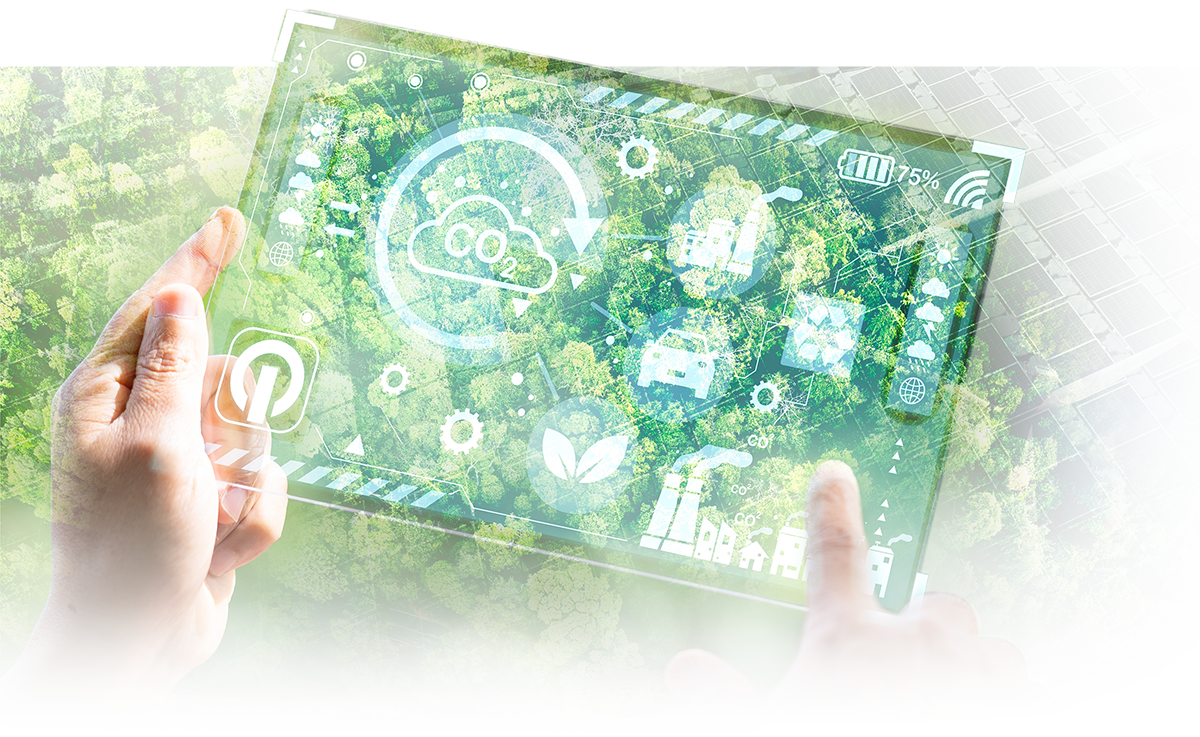
Green Economy emphasizes balanced economic growth that supports social well-being and environmental stewardship. It encourages investment in eco-friendly technologies and innovations, reduces greenhouse gas emissions, and advances clean energy adoption. Key target industries such as agritech, biorefineries, and electric vehicles are also developed to contribute to green economy initiatives.
Circular Economy
Circular Economy focuses on maximizing resource value through reuse, recycling, and waste reduction, thereby reducing reliance on natural resources. It promotes recycling, repair, and material reuse, while supporting financial and market mechanisms that reinforce sustainable, low-impact circular economy practices.
Rising Momentum for the Green
and Circular Economy in the EEC
Waste Management
Waste management implementation across multiple areas, including Rayong and Chon Buri Provinces
Clean Energy Adoption
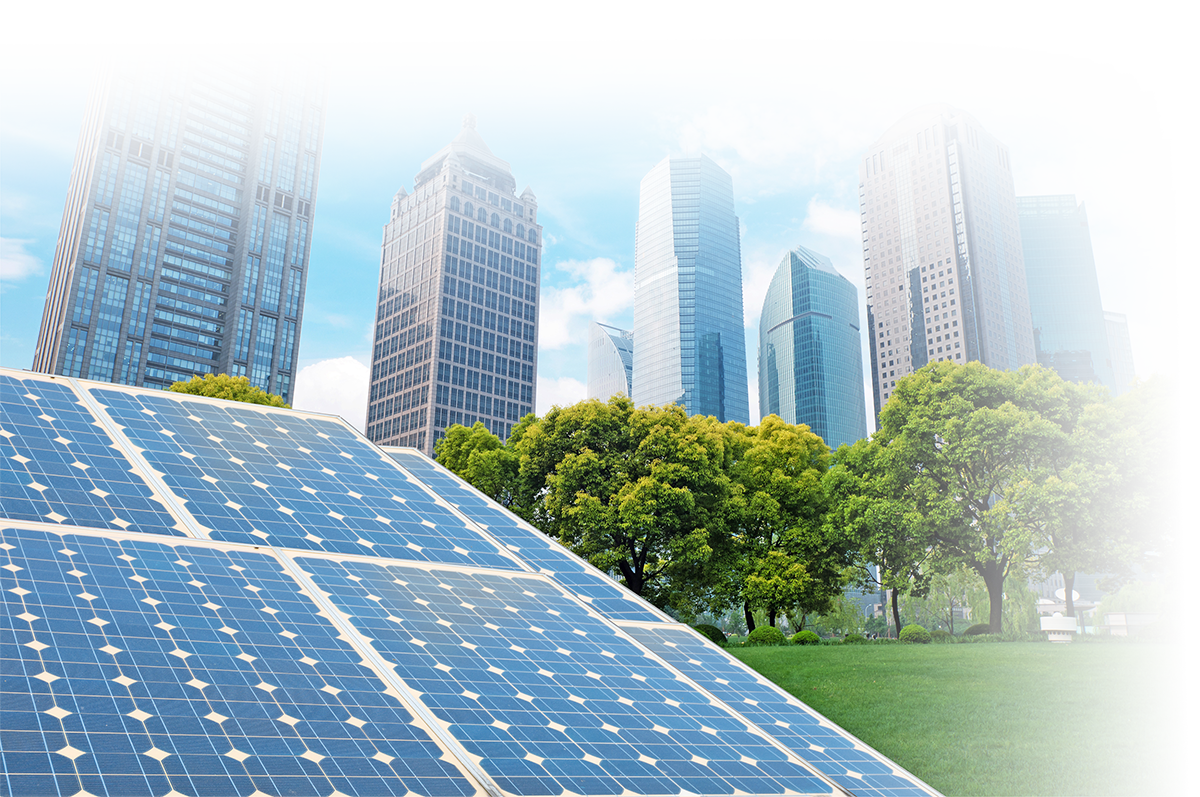
Promotion of solar energy and clean energy trading to reduce greenhouse gas emissions
Innovation and Technology Advancement
Advancement in R&D in clean-energy technologies, waste management, and eco-friendly production to strengthen the green and circular economy
Market Expansion
Promotion of eco-friendly product and service markets and of carbon credit trading
Partnership and Collaboration
Promotion of cooperation among the government, private sector, and local communities to advance green and circular economy initiatives.