- Home
- Area and Community Development
- Knowledge, Identity, and Cultural Value Integration within Communities
Knowledge, Identity, and Cultural Value
Integration within Communities
Survey and Knowledge Management Program for Value and Database Development
This project identifies local wisdom and local knowledge within the EEC area to develop a comprehensive database and connect this expertise
with the industrial sector, businesses, and investors.
Traditionally, businesses have pursued CSR (Corporate Social Responsibility) initiatives that focus on basic community support. This project enhances
CSR sustainability by integrating innovation and technologies aligned with business interests, advancing efforts toward CSR+ (Corporate Social Responsibility Plus)
and CSV (Creating Shared Value) – more sustainable models that leverage local wisdom and knowledge to development.
Rather than conventional activities such as scholarships, temple wall painting, or tree planting, businesses are encouraged to address
specific community needs and local wisdom and local knowledge systems through innovation, technology, and strategic business practices.
Consider a rice-farming community. Traditional CSR typically supports organic rice cultivation with modest gains.
In contrast, CSR+ could boost productivity through technology, while a CSV approach adds further value –
upcycling rice straw into smart boards for sale or industrial use, generating shared value for both the community and businesses.
This project identifies local wisdom and local knowledge within the EEC area to develop a comprehensive database and connect this expertise with the industrial sector, businesses, and investors. Traditionally, businesses have pursued CSR (Corporate Social Responsibility) initiatives that focus on basic community support. This project enhances CSR sustainability by integrating innovation and technologies aligned with business interests, advancing efforts toward CSR+ (Corporate Social Responsibility Plus) and CSV (Creating Shared Value) – more sustainable models that leverage local wisdom and knowledge to development. Rather than conventional activities such as scholarships, temple wall painting, or tree planting, businesses are encouraged to address specific community needs and local wisdom and local knowledge systems through innovation, technology, and strategic business practices. Consider a rice-farming community. Traditional CSR typically supports organic rice cultivation with modest gains. In contrast, CSR+ could boost productivity through technology, while a CSV approach adds further value – upcycling rice straw into smart boards for sale or industrial use, generating shared value for both the community and businesses.
Project Concept: Creating Mutual Value for Investors and Communities
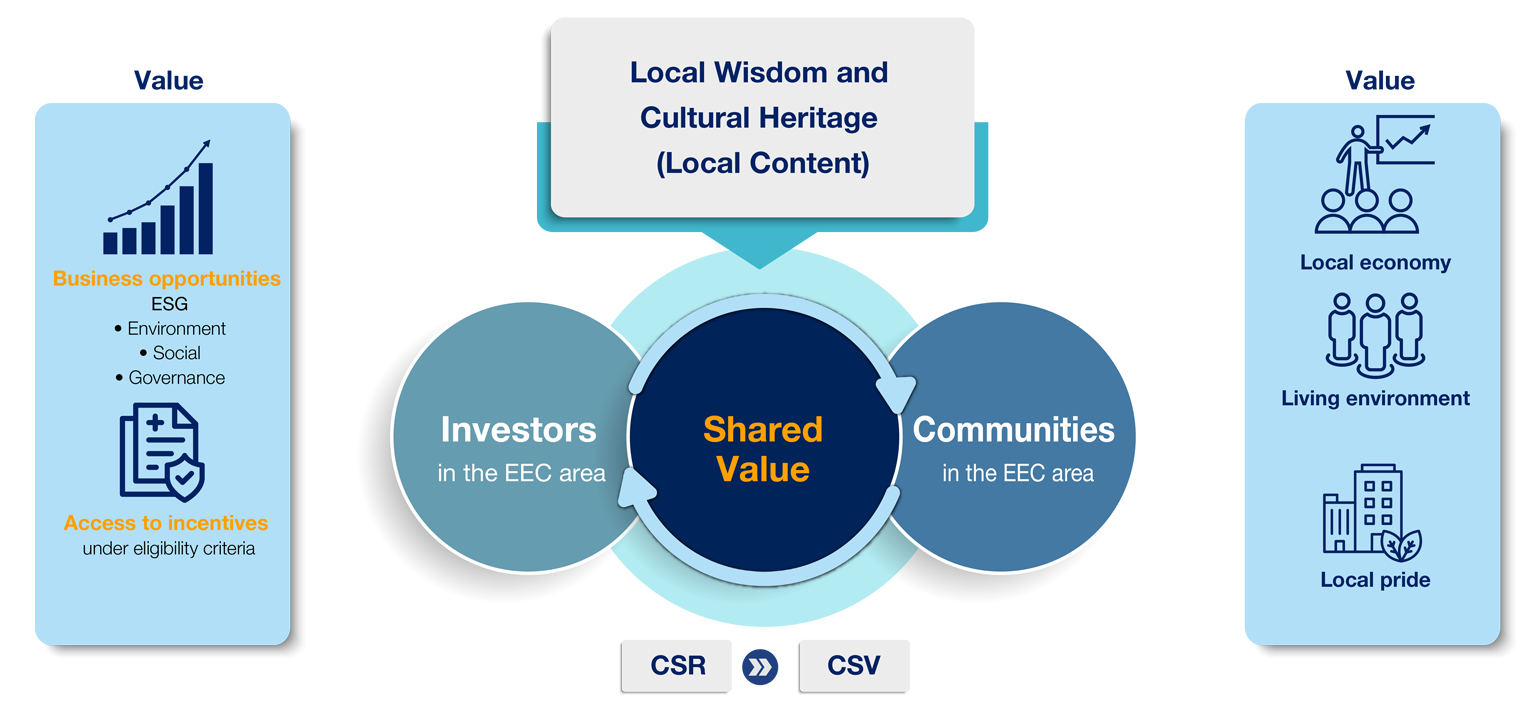
A concept for creating shared value through local wisdom
and cultural heritage between investors and communities
A concept for creating shared value through local wisdom and cultural heritage between investors and communities
Implementation Approach
Investment Solution Towards Sustainable Locals
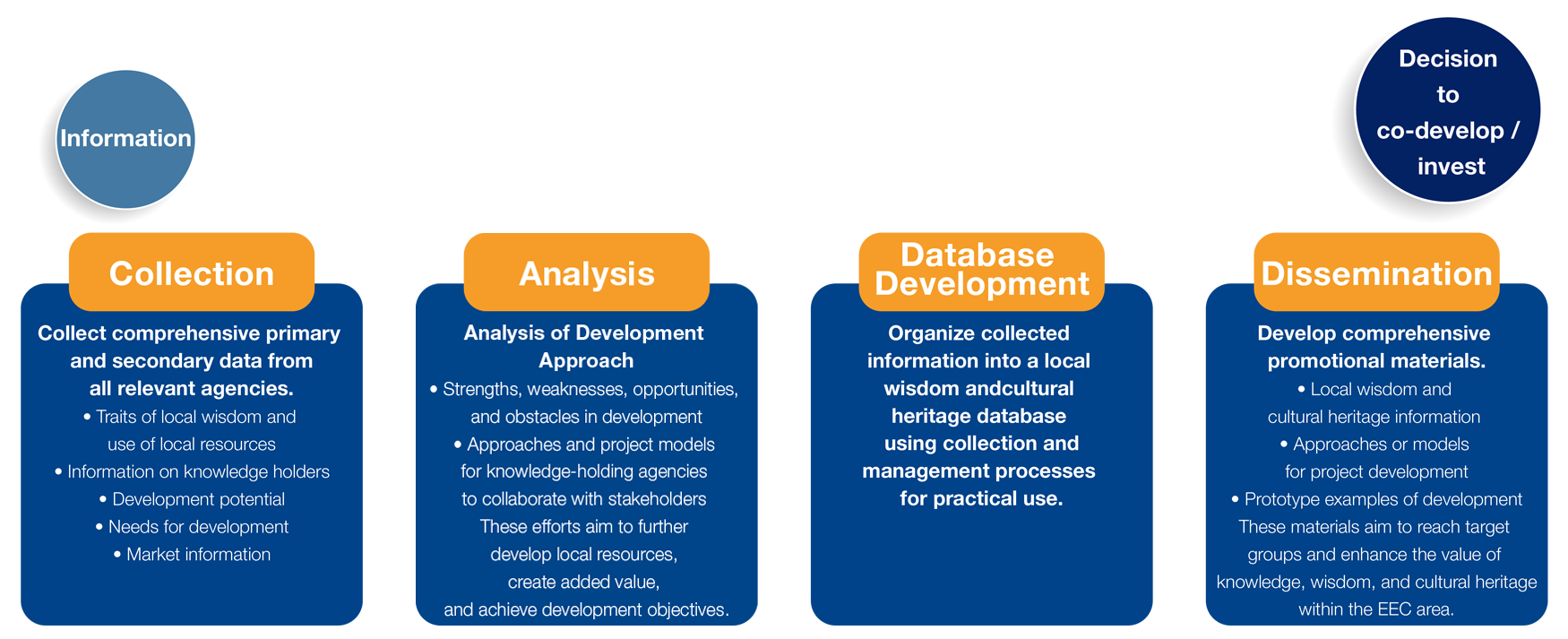
Investing in local wisdom and cultural heritage to create business opportunities
with positive social, economic, and environmental outcomes
Investing in local wisdom and cultural heritage to create business opportunities with positive social, economic, and environmental outcomes
Definition and Categories of Wisdom
with humans at the center, guiding their creation, transmission, and preservation.

Categories of Wisdom and Cultural Heritage

6 Projects for Prototype Development


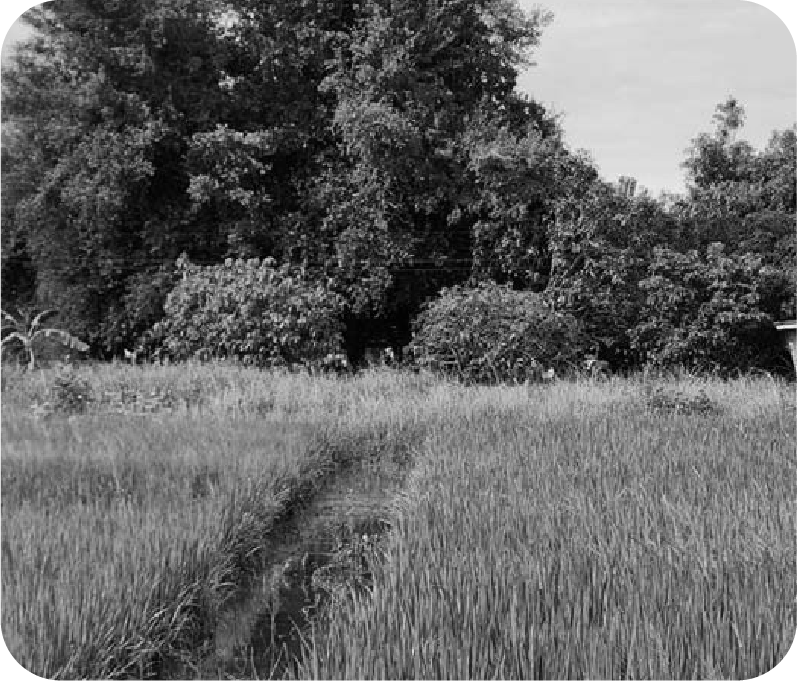
1. Projects for Environmental Conservation through Agricultural Waste Utilization and Technology
to improve product quality and cultivation efficiency through knowledge, funding, and market support.
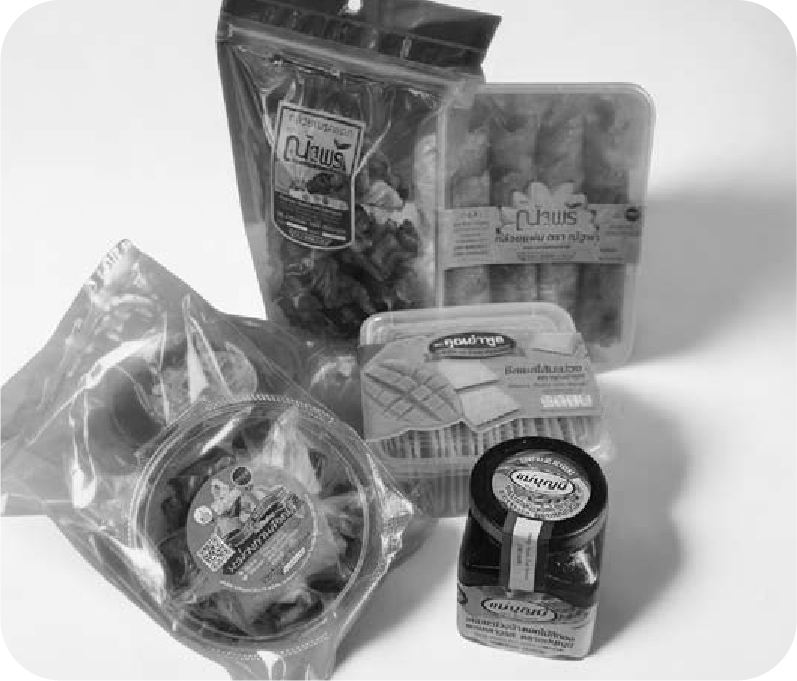
2. Projects to Raise Standards and Image
of Products and Services
easing challenges and financial constraints, particularly for testing and FDA registration.
in collaboration with chefs and academics, using high-standard factories that support R&D as a foundation for SME and local brand development.
and educational tourism across the value chain, creating sustainable income
for communities.

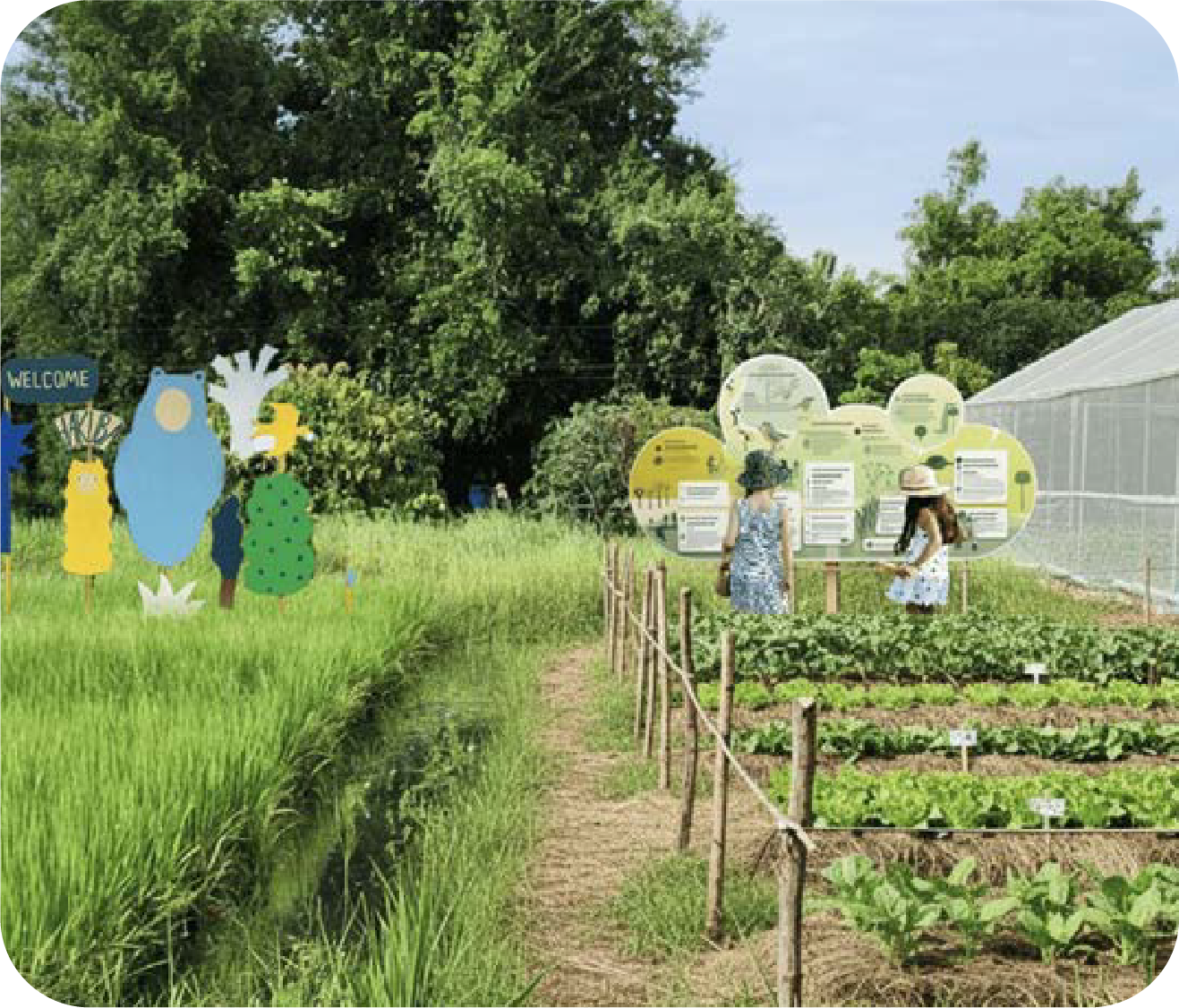
3. Projects for Ecosystem, Local Wisdom,
and Cultural Heritage Promotion
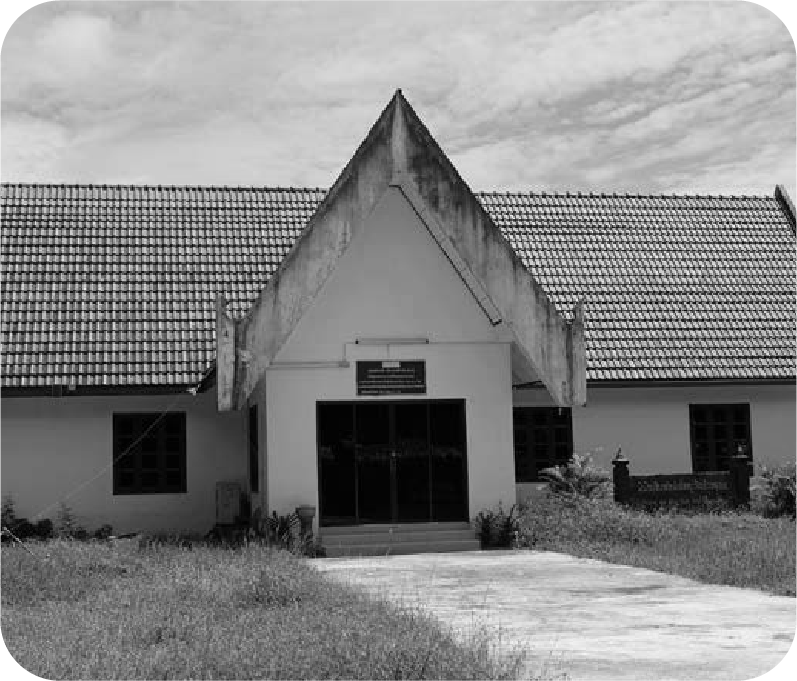
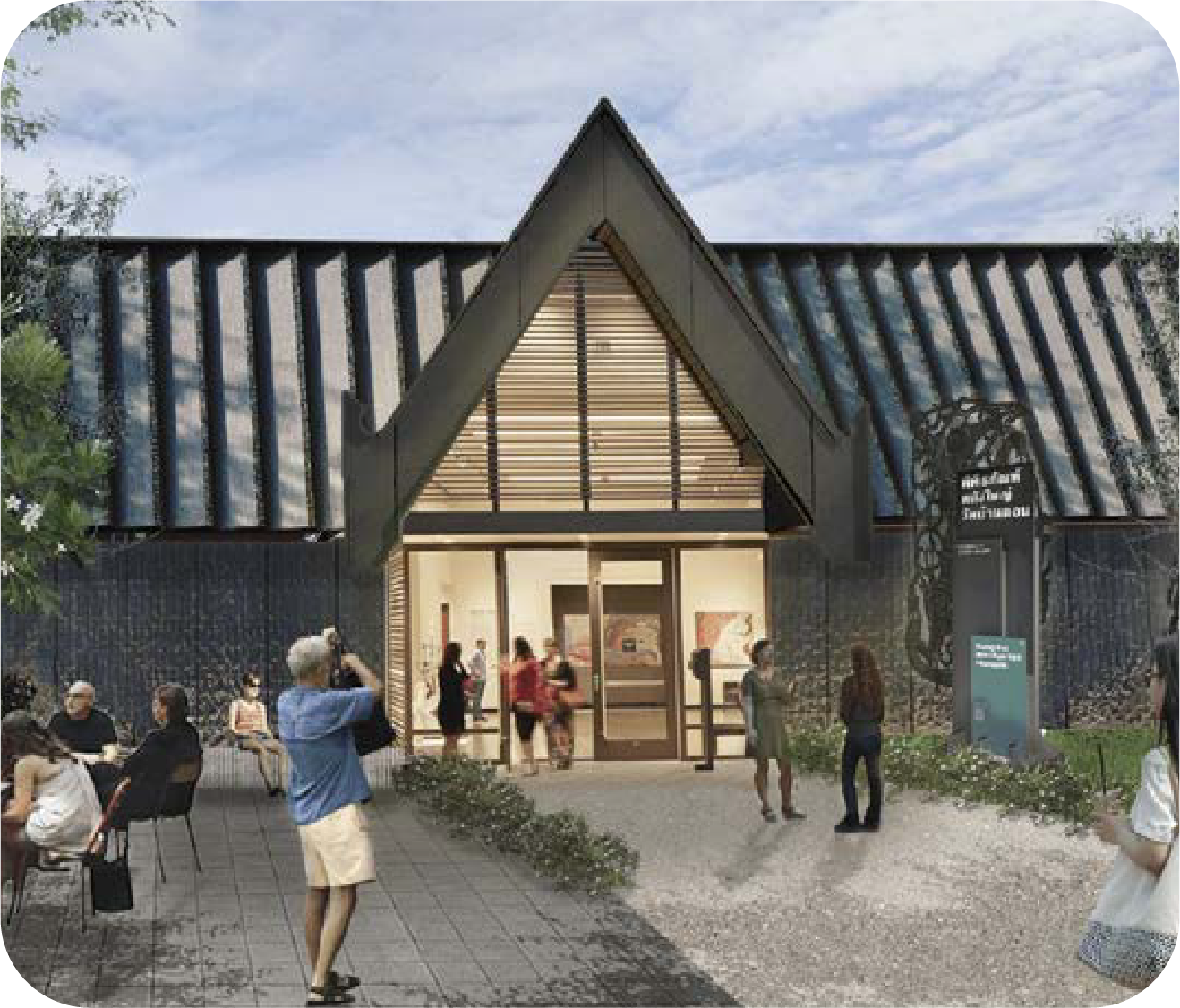
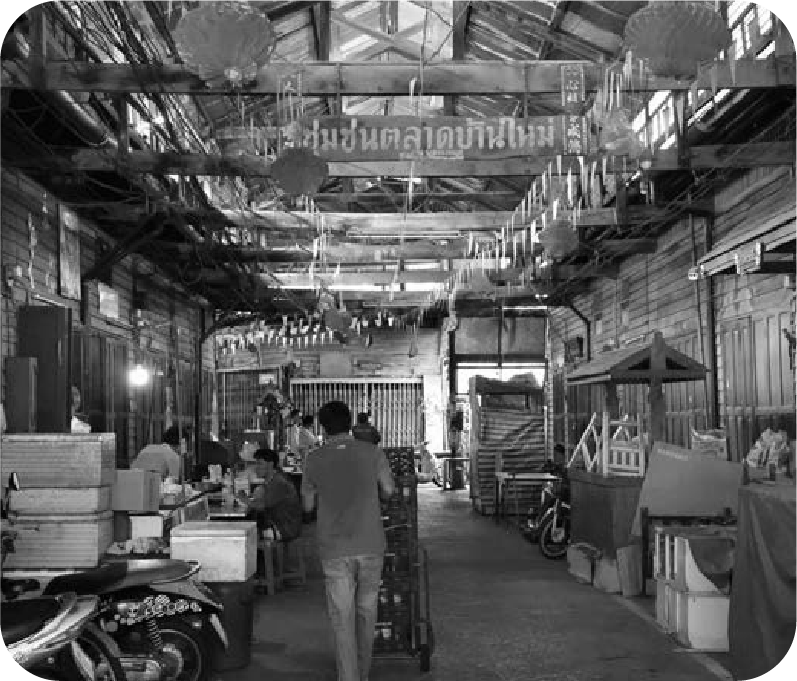
4. Projects for the Conservation, Restoration,
and Utilization of Cultural Buildings
or creative learning spaces.
and restoration of buildings. The private sector is encouraged to contribute to the fund
to drive the restoration and development of historic structures, buildings, and traditional houses.
the Uthai Heritage Hotel, which was renovated from the former Uthai Witthayalai School.
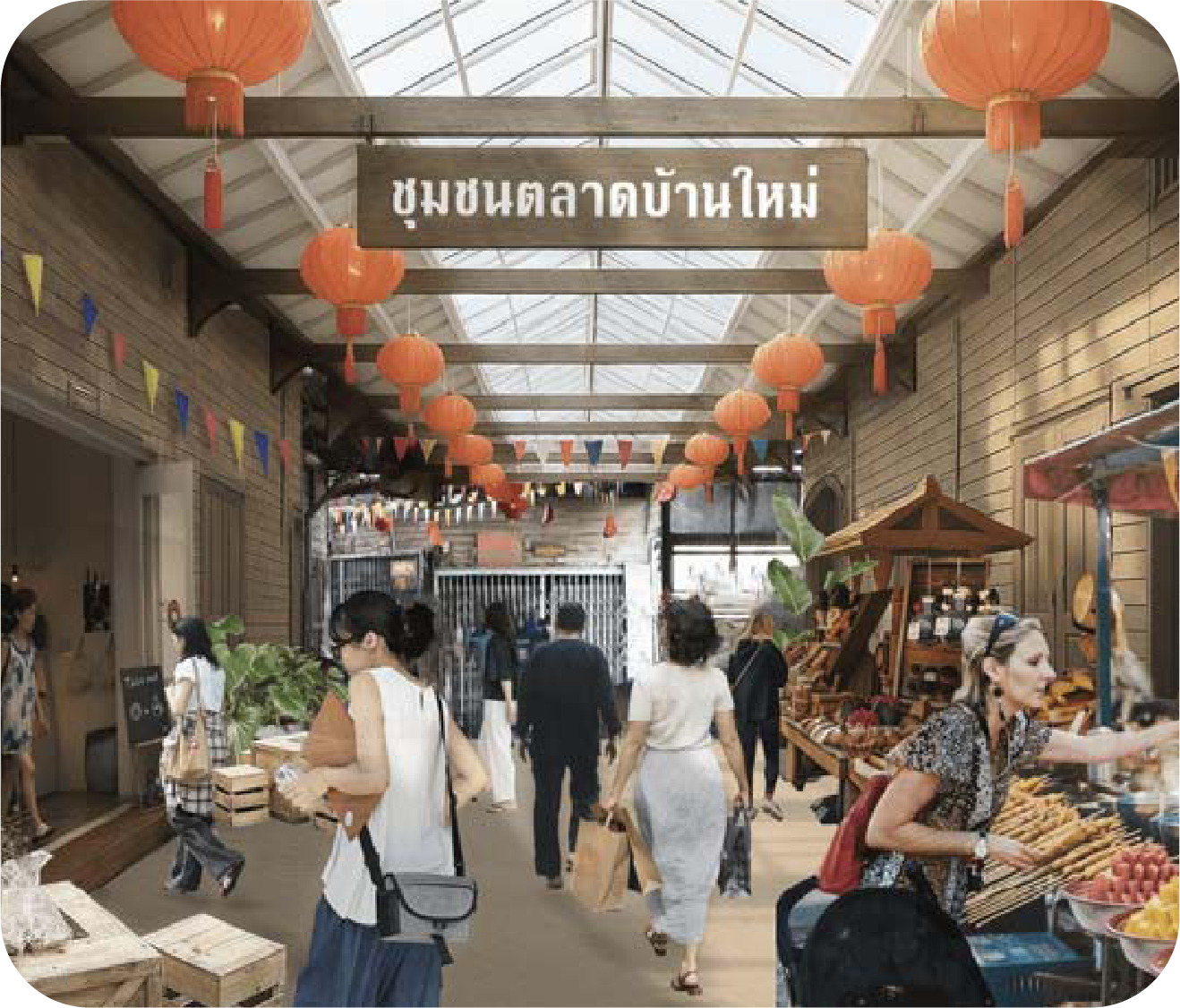
5. Meaningful Tourism Development Projects
6. Cultural Tourism and Old Town Development Projects
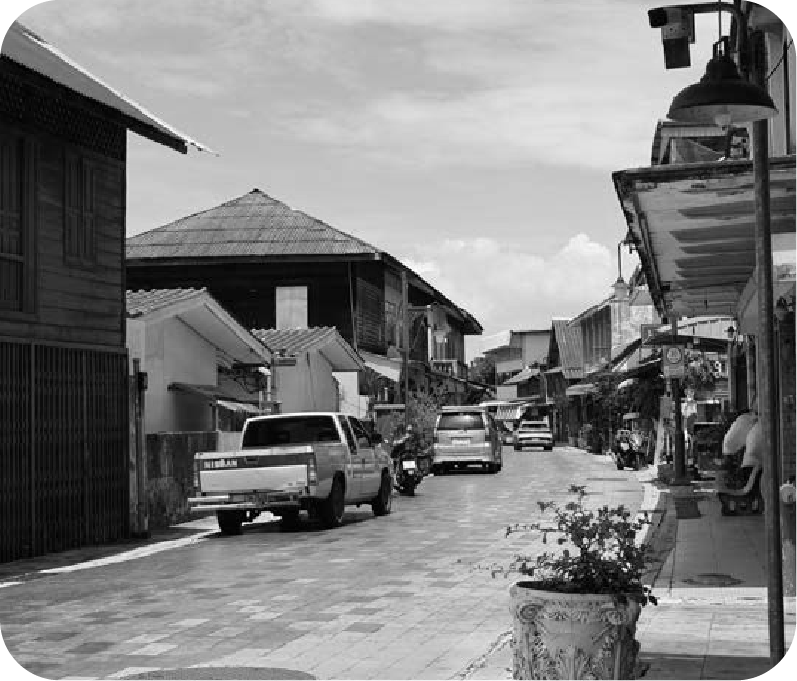
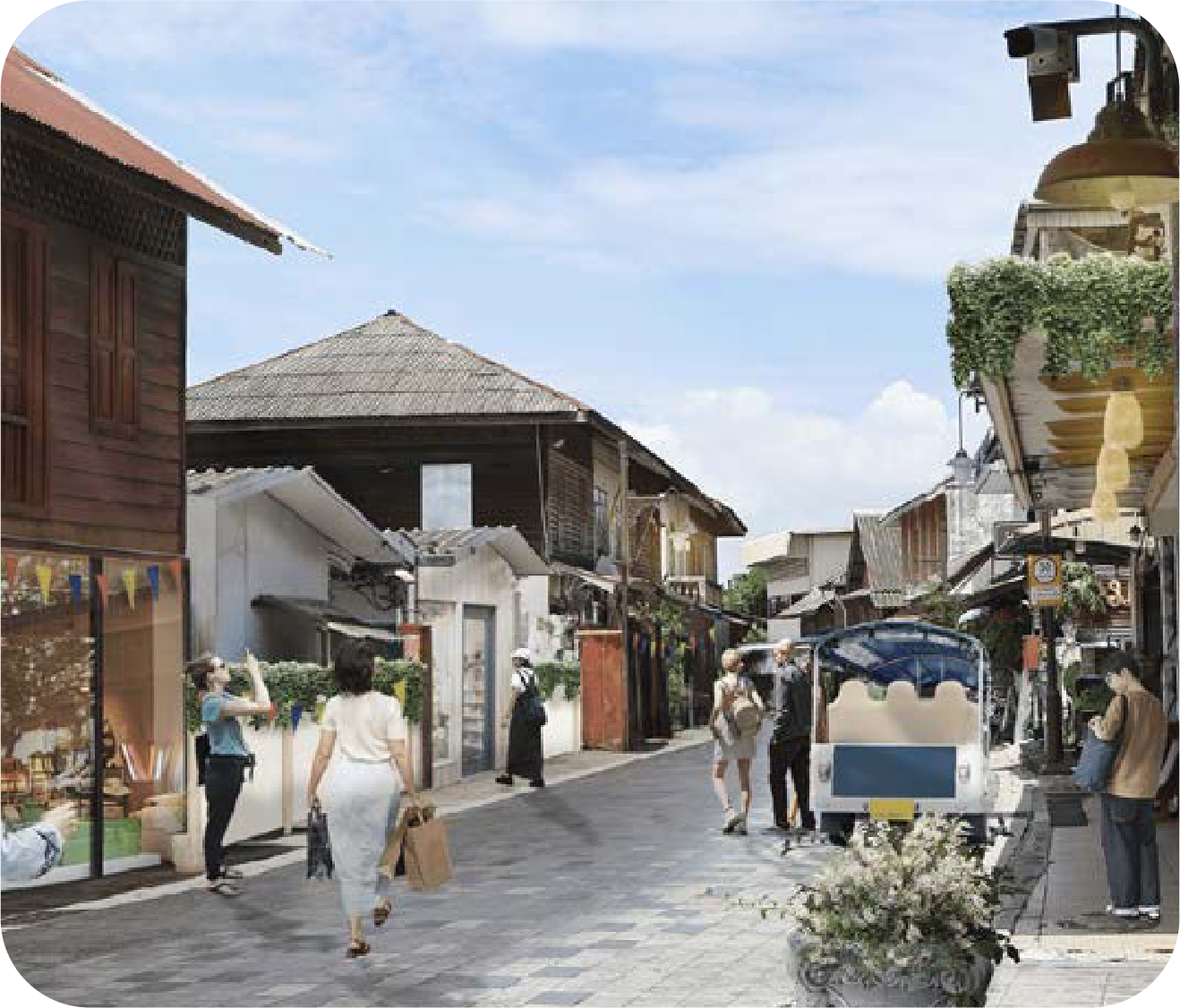
E-book

- 20 12 2525
- 101 View
การลงทุนสู่ชุมชนที่ยั่งยืนจากฐานภูมิปัญญาและมรดกวัฒนธรรมท้องถิ่น (ฉบับสมบูรณ์)
Highlighted Projects
This project uncovers the roots of local knowledge, wisdom, and ingredients from communities across Chachoengsao Province
to transform them into signature culinary creations. By linking each dish to attractions in every district, the initiative enhances
recognition and builds the province’s reputation. The project generates economic value for restaurants, hotels, and communities,
strengthening the area as a model of cultural capital. Through collaboration with local communities, government, and the private sector,
the initiative drives sustainable economic development, positioning Chachoengsao as a creative city of culinary creation while ensuring
long-term benefits for residents.
This project uncovers the roots of local knowledge, wisdom, and ingredients from communities across Chachoengsao Province to transform them into signature culinary creations. By linking each dish to attractions in every district, the initiative enhances recognition and builds the province’s reputation. The project generates economic value for restaurants, hotels, and communities, strengthening the area as a model of cultural capital. Through collaboration with local communities, government, and the private sector, the initiative drives sustainable economic development, positioning Chachoengsao as a creative city of culinary creation while ensuring long-term benefits for residents.
Project Objectives
- Study local knowledge, culinary wisdom, and community ingredients in Chachoengsao Province, compile
a community knowledge database, and use it to create added value for industry, investors, and tourists in the EEC area. - Strengthen the capacity of restaurant operators
in Chachoengsao Province to increase income and support sustainable local economic development. - Promote awareness and community engagement across all groups by highlighting the economic and social opportunities arising from development in Chachoengsao Province.
- Study local knowledge, culinary wisdom, and community ingredients in Chachoengsao Province, compile a community knowledge database, and use it to create added value for industry, investors, and tourists in the EEC area.
- Strengthen the capacity of restaurant operators
in Chachoengsao Province to increase income and support sustainable local economic development. - Promote awareness and community engagement across all groups by highlighting the economic and social opportunities arising from development in Chachoengsao Province.
Target Groups
- Restaurant operators in Chachoengsao Province
- Community wisdom holders
- Government agencies and private sector organizations
in Chachoengsao Province - General public
- Media
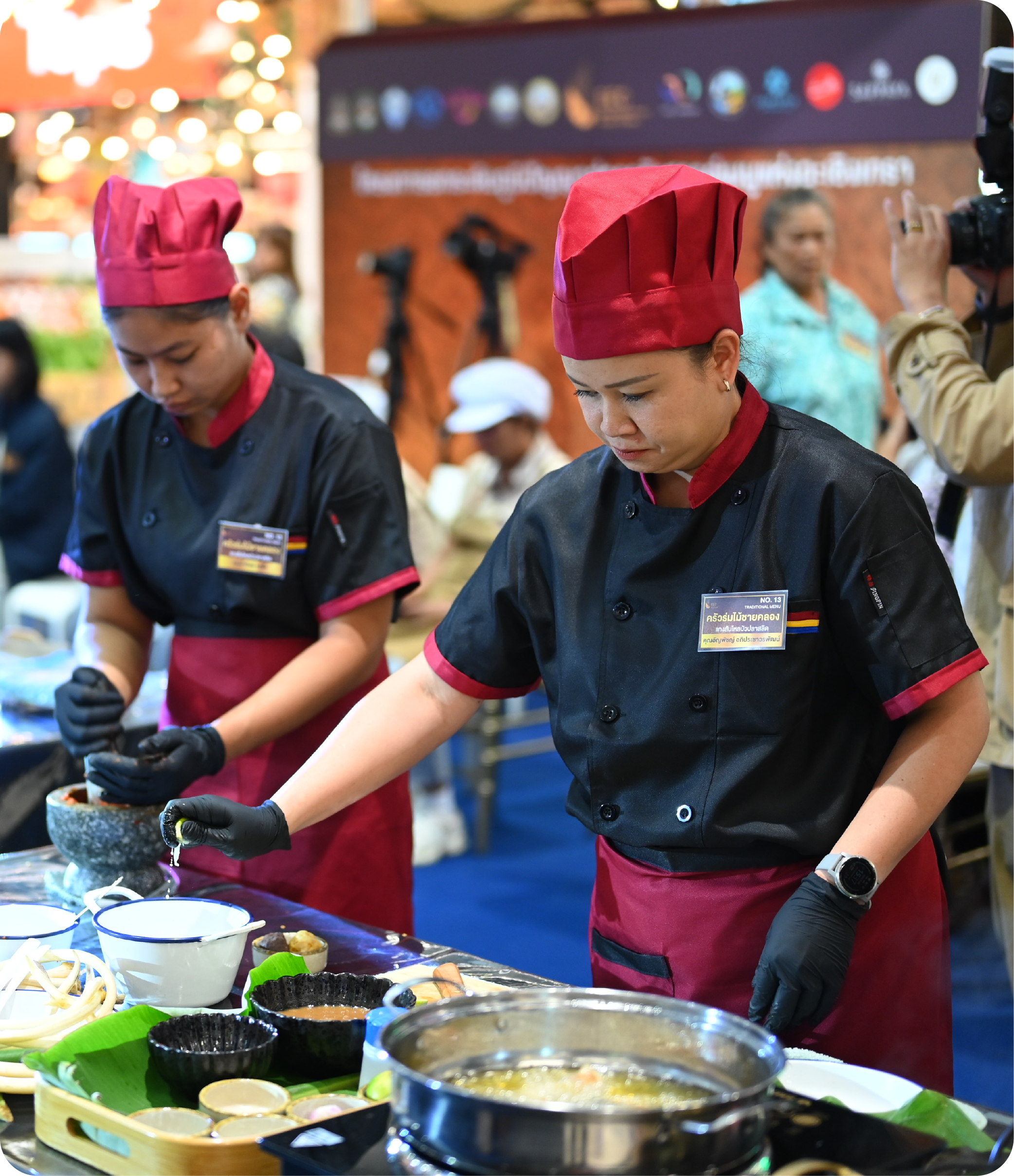
Chachoengsao Local Wisdom Culinary Challenge
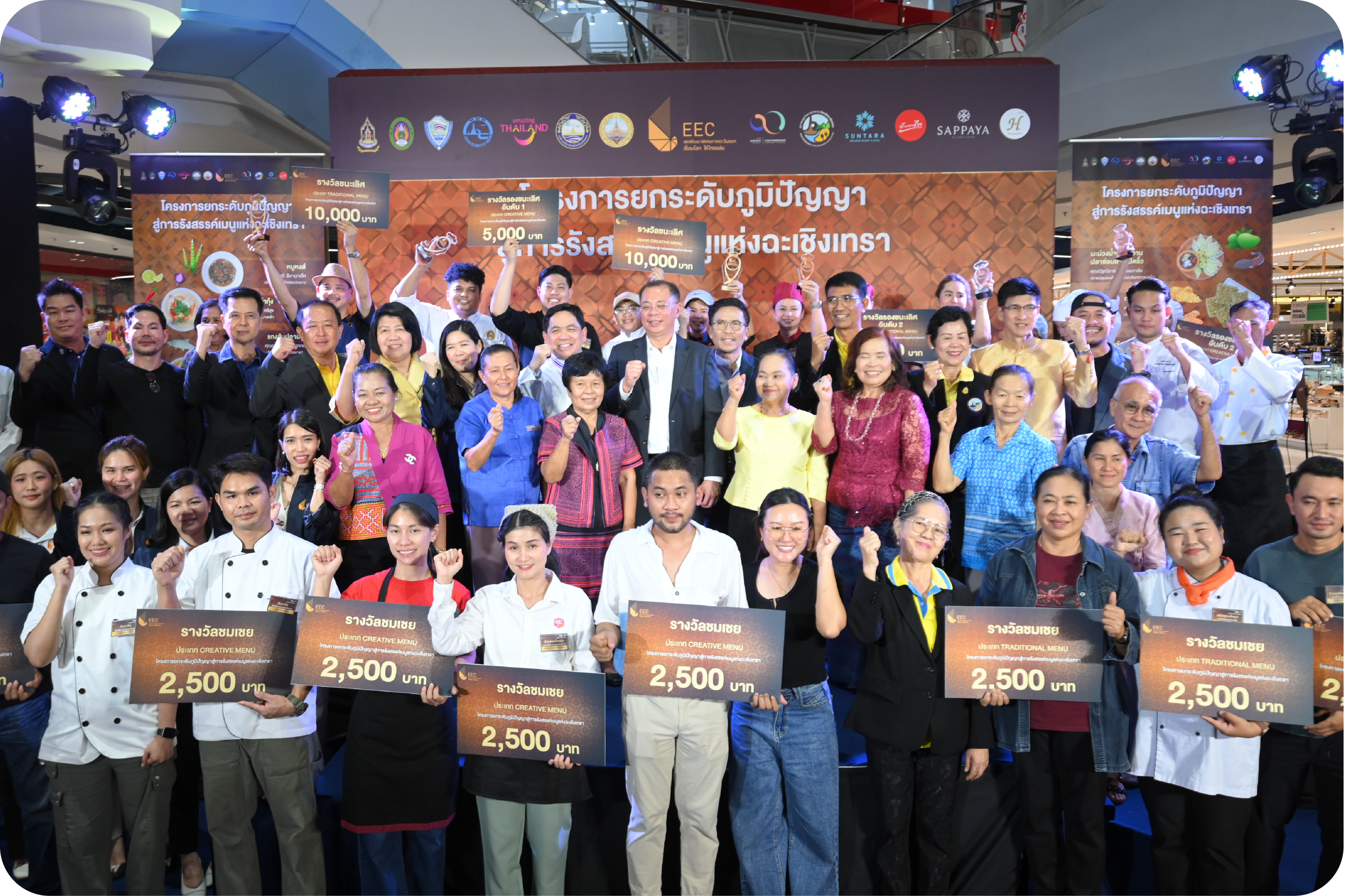
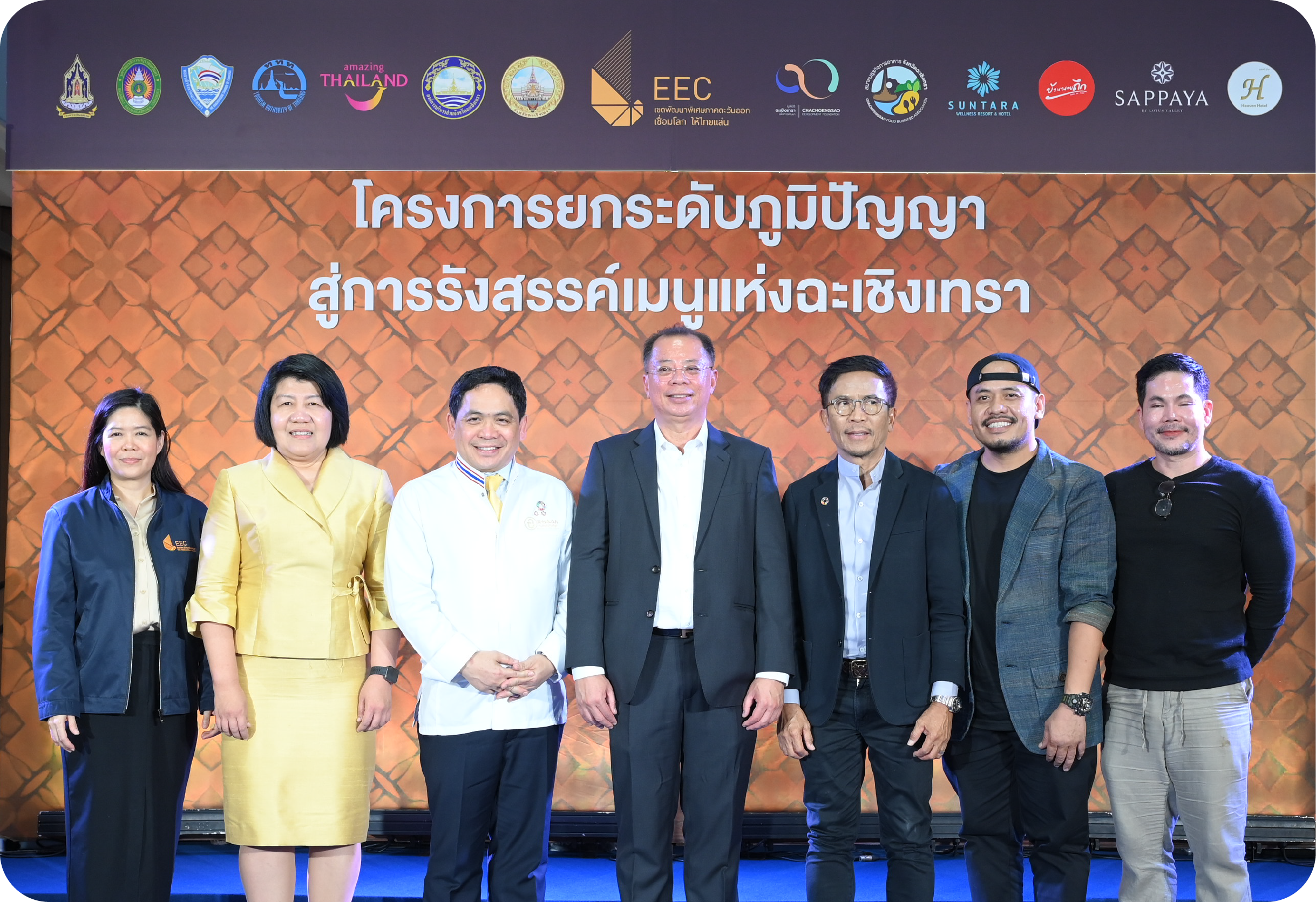
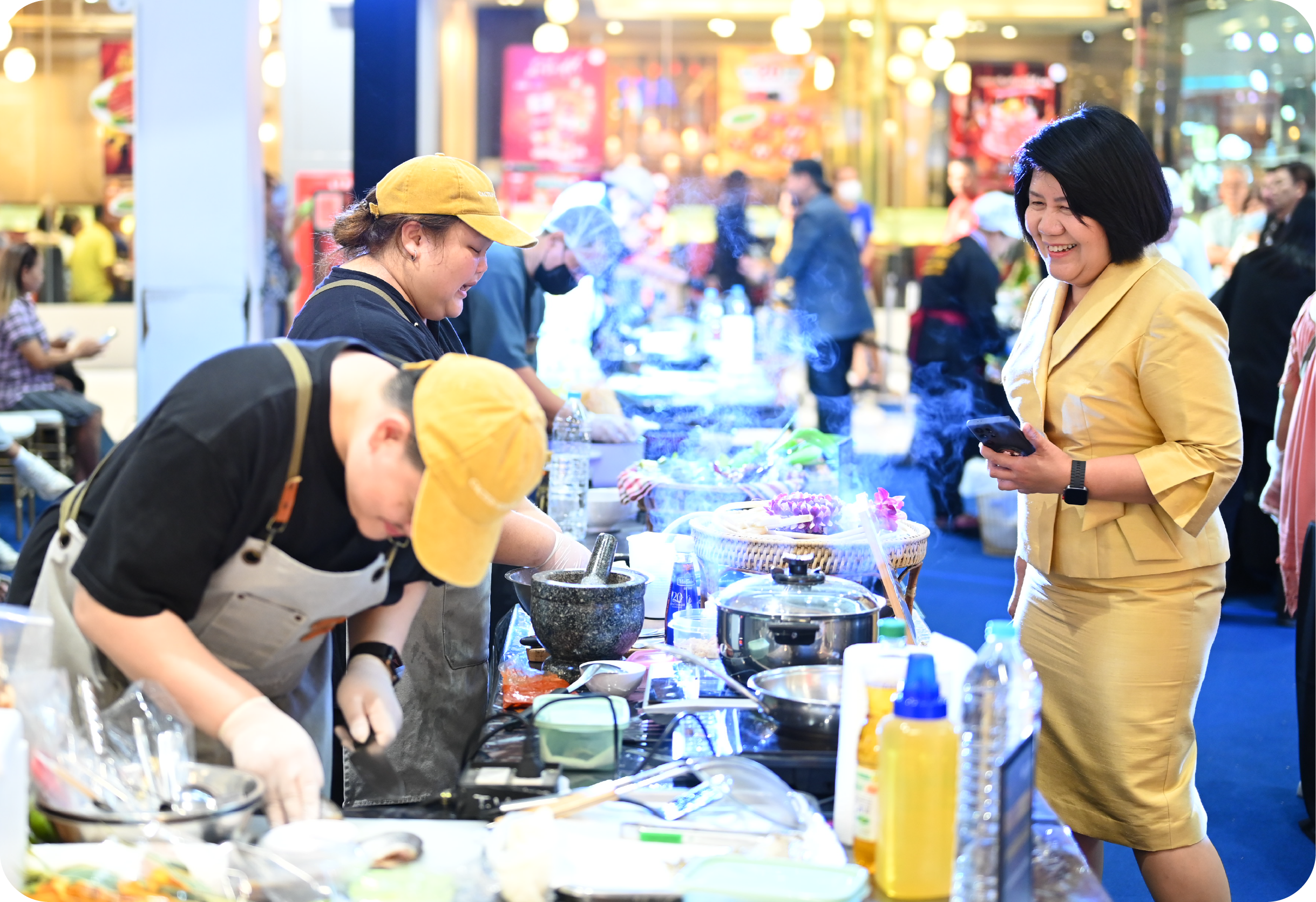
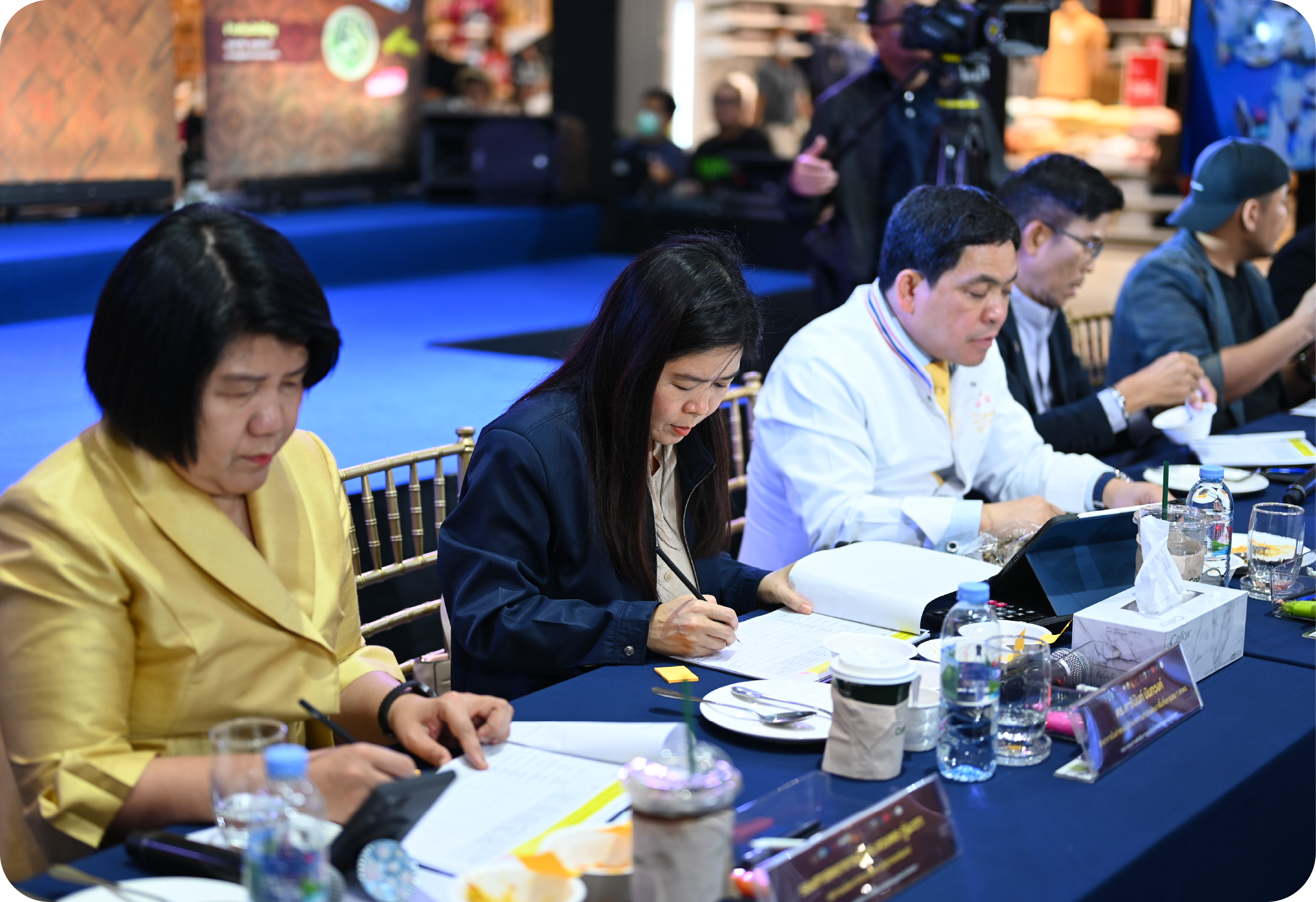
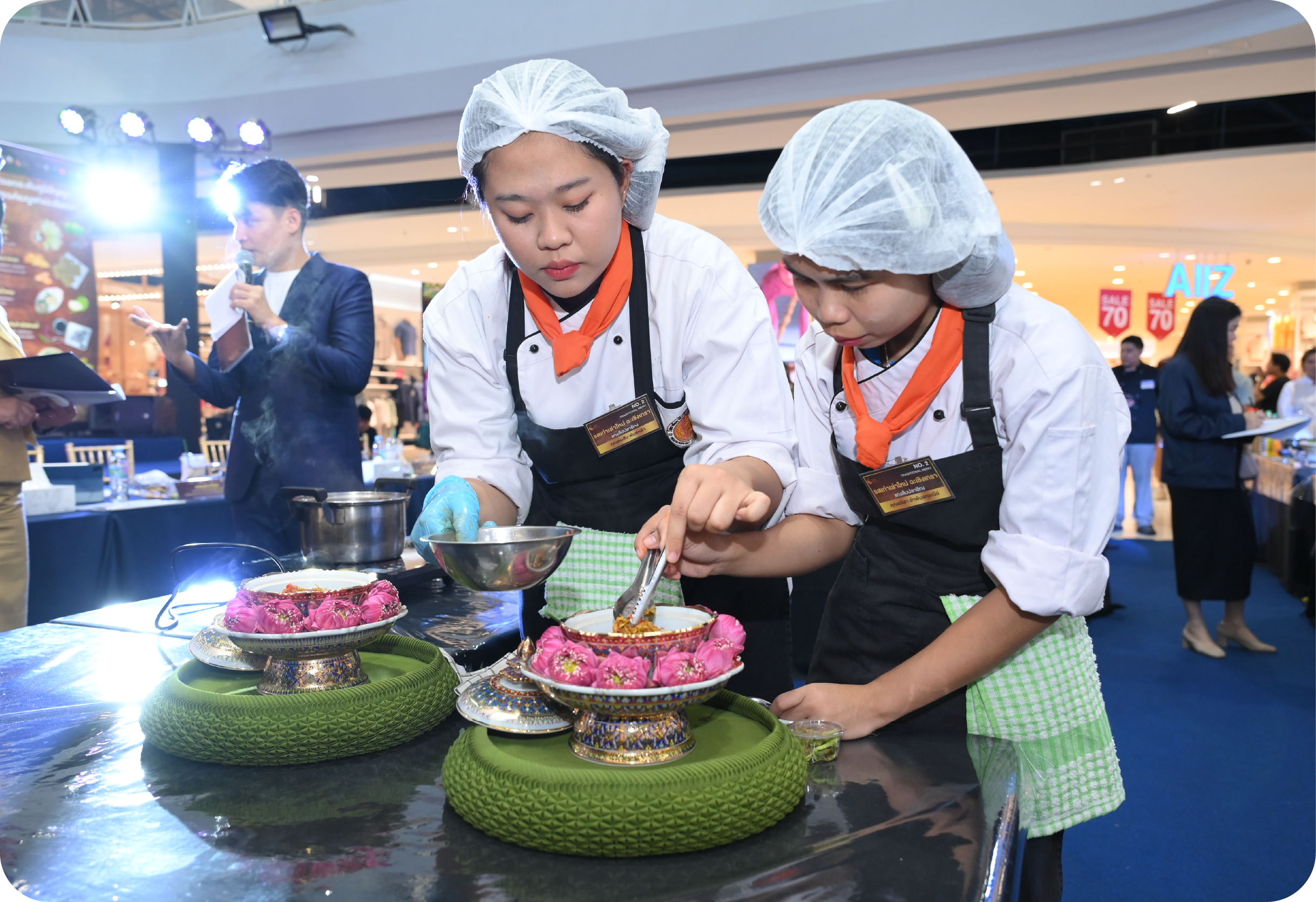
The Eastern Economic Corridor Office of Thailand (EECO) held the Chachoengsao Culinary Challenge
on 7 July 2025 at Robinson Lifestyle, Chachoengsao. The event featured dishes highlighting
the unique identityof all 11 districts of the province and was organized into two categories.
The Eastern Economic Corridor Office of Thailand (EECO) held the Chachoengsao Culinary Challenge on 7 July 2025 at Robinson Lifestyle, Chachoengsao. The event featured dishes highlighting the unique identityof all 11 districts of the province and was organized into two categories.
Traditional Menu
Culinary Challenge for Traditional Menus of Chachoengsao:
1. Kaeng Som Pla I Kong (sour soup with long-whiskered catfish), Bang Pakong District
2. Kaeng Som Lai Bua Pla Salid (sour soup with lotus stems and gourami fish), Bang Nam Priao District
Creative Menu
Culinary Challenge for Creative Menus of Chachoengsao:
1. Tom Yam Kung (prawn spicy soup), Bang Khla District
2. Kaeng Som Lai Bua Pla Salid (sour soup with lotus stems and gourami fish), Bang Nam Priao District
3. Pla Wong Tod (fried dried stingray fish), Tha Takiap District
4. Green mangoes with grilled snakehead fish in sweet fish sauce, Mueang Chachoengsao District
5. Moo Hong (braised pork belly), Plaeng Yao District
6. Kuai Tiao Pak Mor (pork dumplings soup), Phanom Sarakham District
7. Khao Tom Mat (steamed sticky rice with minced pork), Ratchasan District
8. Riceberry ice cream, Sanam Chai Khet District
9. Kaeng Som Pla I Kong (sour soup with long-whiskered catfish), Bang Pakong District
10. Kra Ya Sart (sticky cereal bar made of rice, nuts, sesame-seeds and sugar), Ban Pho District
11. Ba Bin (sticky coconut pancake), Khlong Khuean District