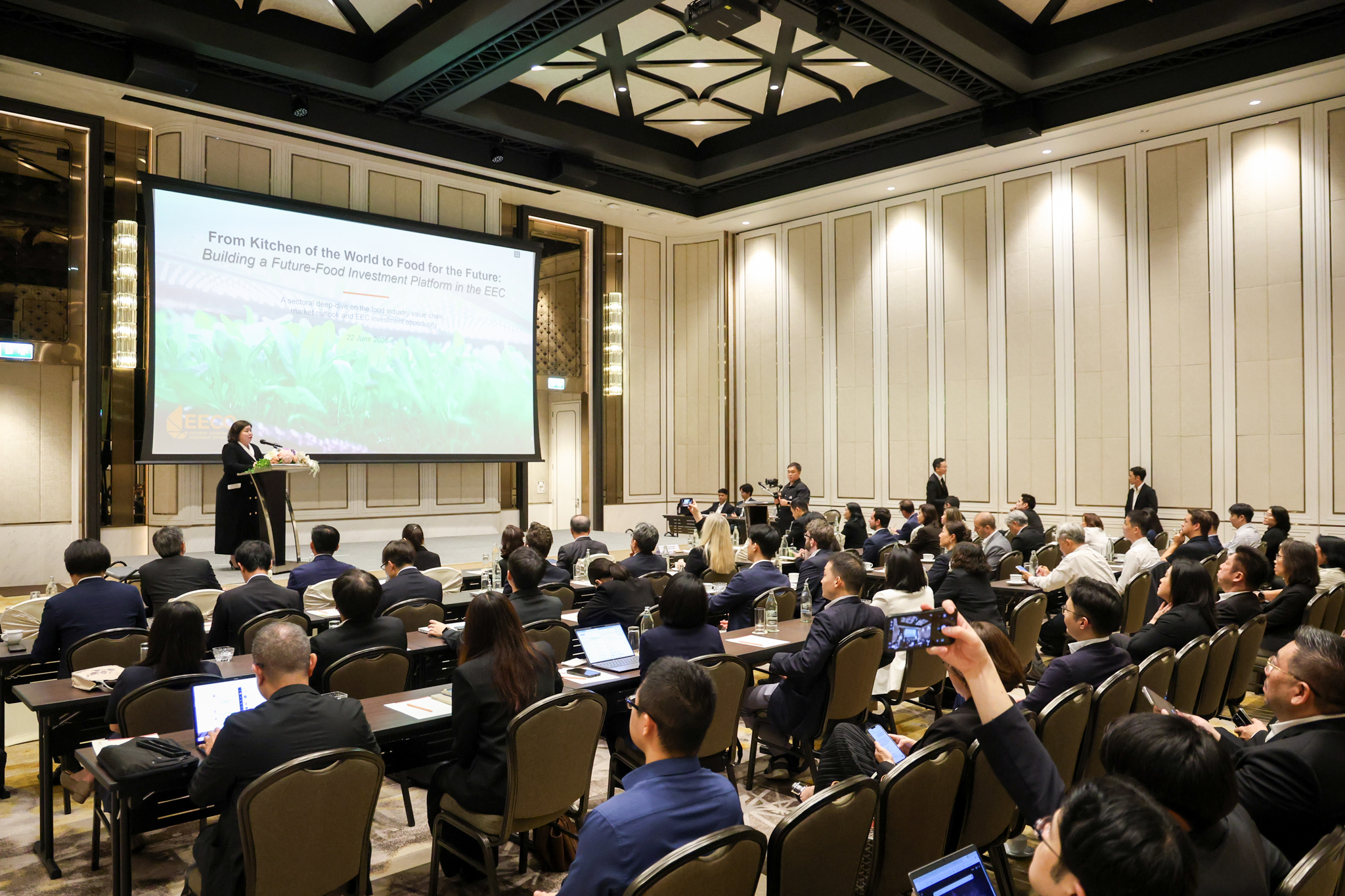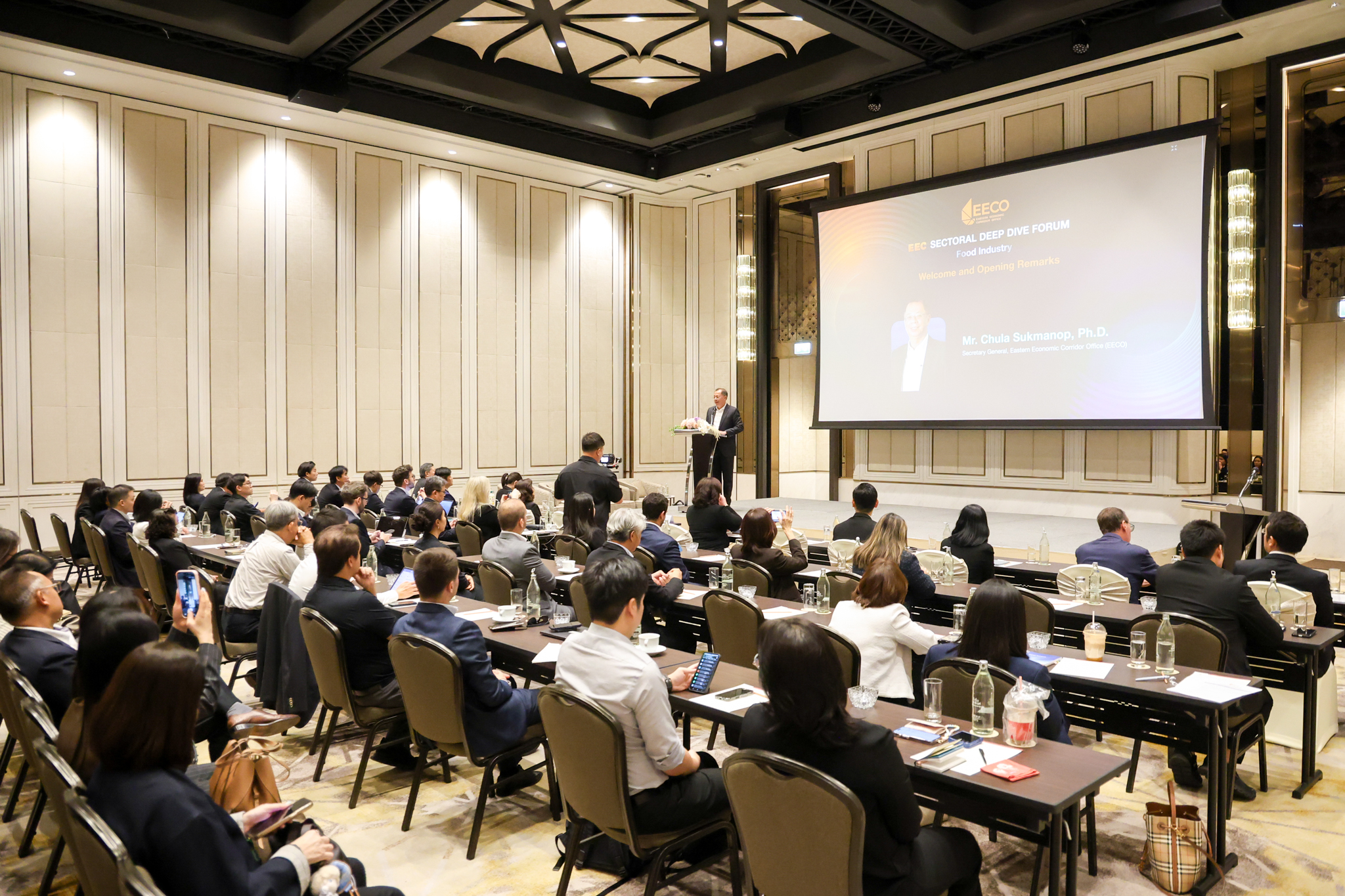

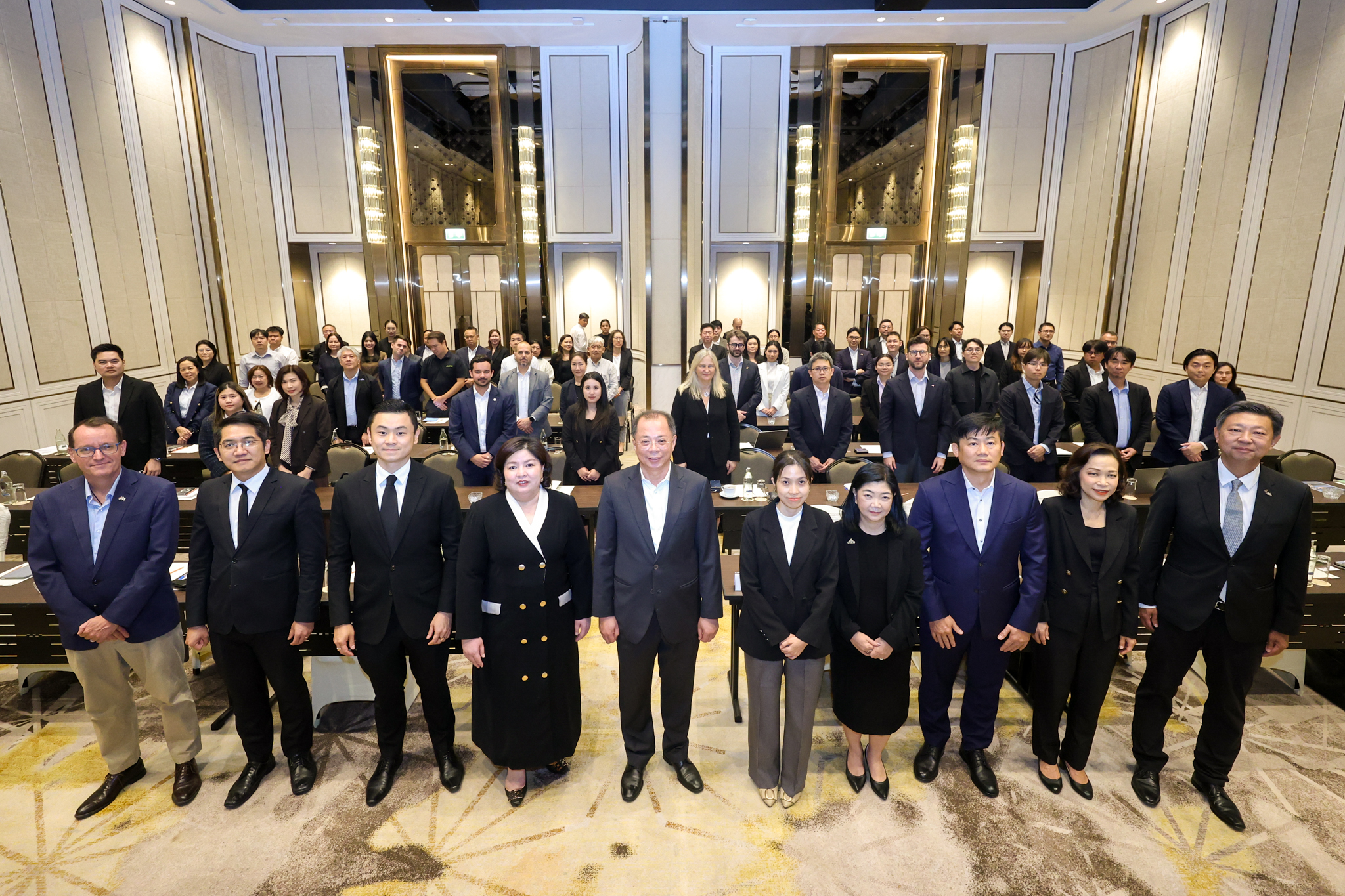
the Eastern Economic Corridor Office (EECO) organized the third EEC Sectoral Deep Dive Forum 2026 under the theme “Food Industry” at Eastin Grand Hotel Phayathai, Bangkok. The event brought together more than 80 senior executives from leading food companies, representatives from foreign chambers of commerce, and relevant government agencies to exchange views on the future direction of the food industry, investment opportunities, and the development of an ecosystem that supports the growth of the food industry in Thailand and the Eastern Economic Corridor (EEC). Amid global economic shifts that increasingly emphasize food security, innovation, and sustainable production, Thailand is presented with new opportunities to become a regional hub for high-value food industries.
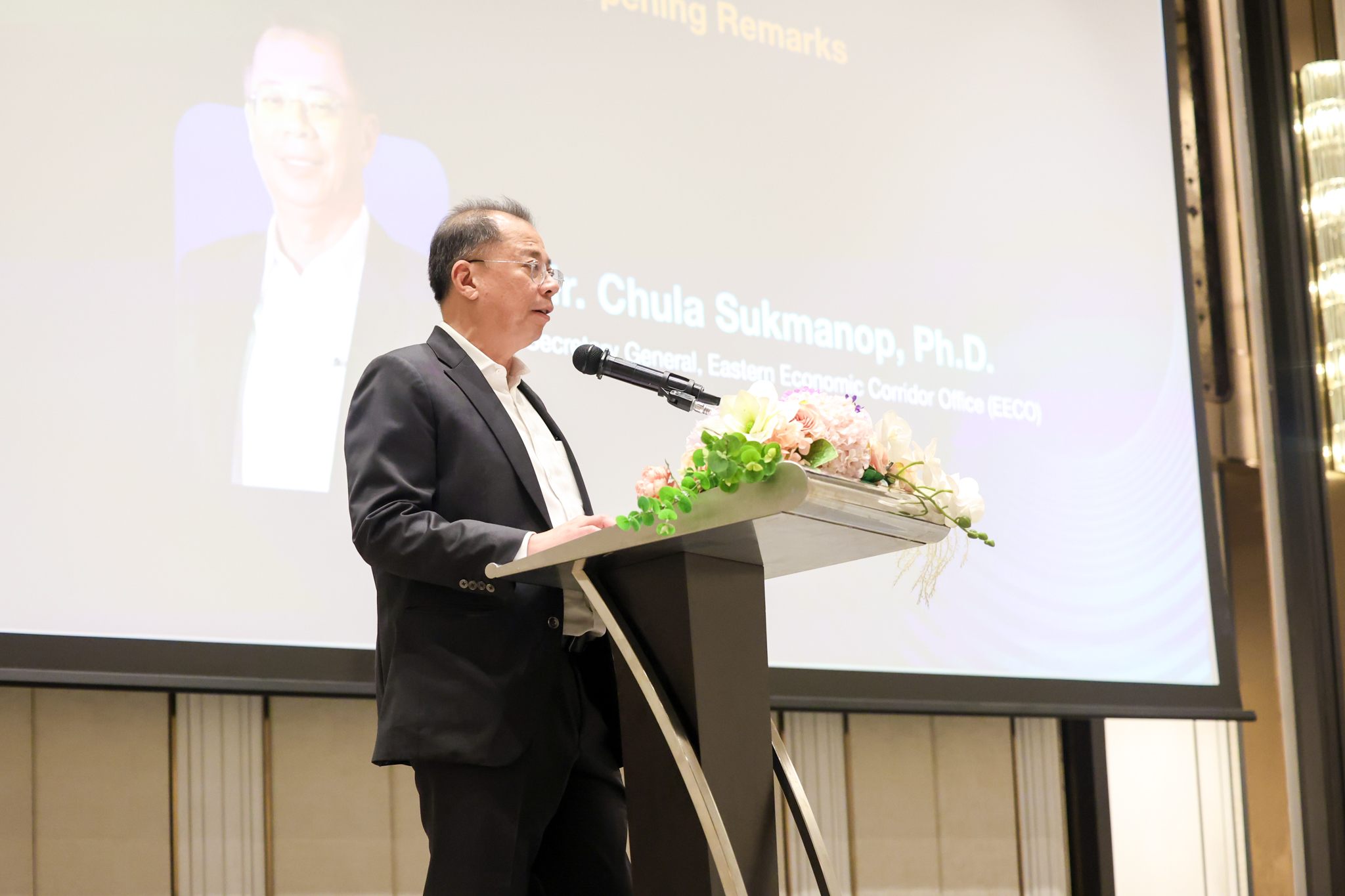
Mr. Chula Sukmanop, Ph.D., Secretary General of the Eastern Economic Corridor Office, delivered the opening remarks, emphasizing that the global economy is entering a new era driven by sustainability, innovation, and rapidly changing consumer behavior. These trends are prompting the food industry to accelerate its transition toward higher value-added production, environmentally friendly manufacturing, and health-focused products. He also reaffirmed EECO’s commitment to advancing the Bio-Circular-Green (BCG) Economy by promoting high-potential target industries, particularly Future Food and Smart Agriculture, in order to enhance Thailand’s competitiveness and create sustainable growth.
Thailand’s agriculture and food industries are among the country’s key economic sectors. Between 2018 and 2025, investment in these industries within the EEC totaled more than THB 75 billion, reflecting the EEC’s potential as a production base and food supply chain hub that connects production, research and development, and exports to global markets. The region is also well positioned to support investment in future food industries, including health-focused foods, functional foods, food technology, and innovations that add value to Thailand’s agricultural and industrial sectors.
During the event, Mrs. Cholachit Vorawangso Virakul, Ph.D., Assistant Secretary General of the Eastern Economic Corridor Office, presented the economic outlook and investment opportunities in the food industry within the EEC. He highlighted Thailand’s potential to become a regional hub for high-value food industries, noting that the EEC’s readiness in infrastructure, logistics systems, strong manufacturing base, and investment promotion policies will be key factors in attracting global investment in future food and food innovation.
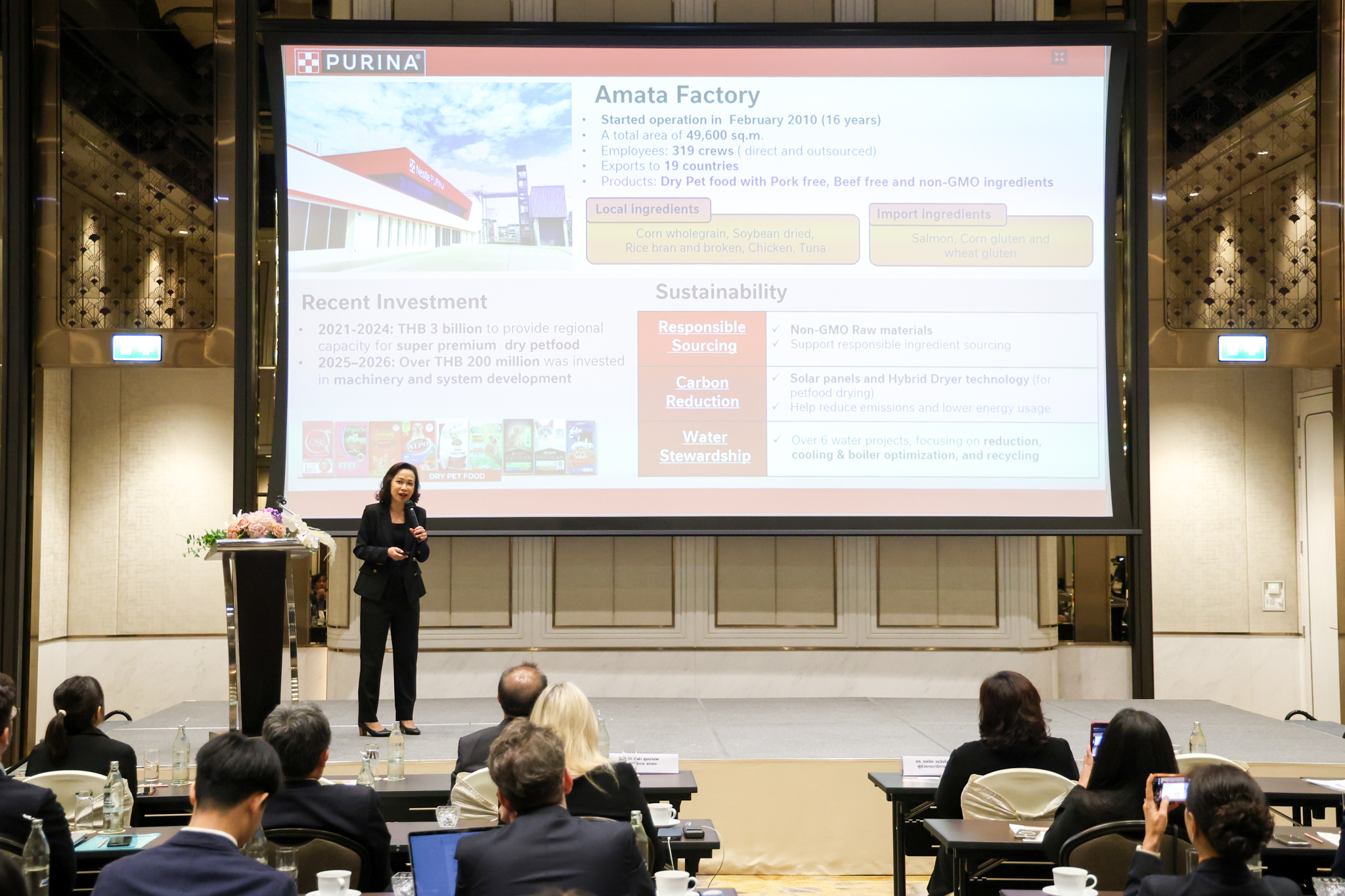
The forum also featured the sharing of experiences and perspectives from executives of leading companies, including Ms. Salinla Seehaphan, Corporate Affairs Director of Nestlé (Thai) Ltd.;
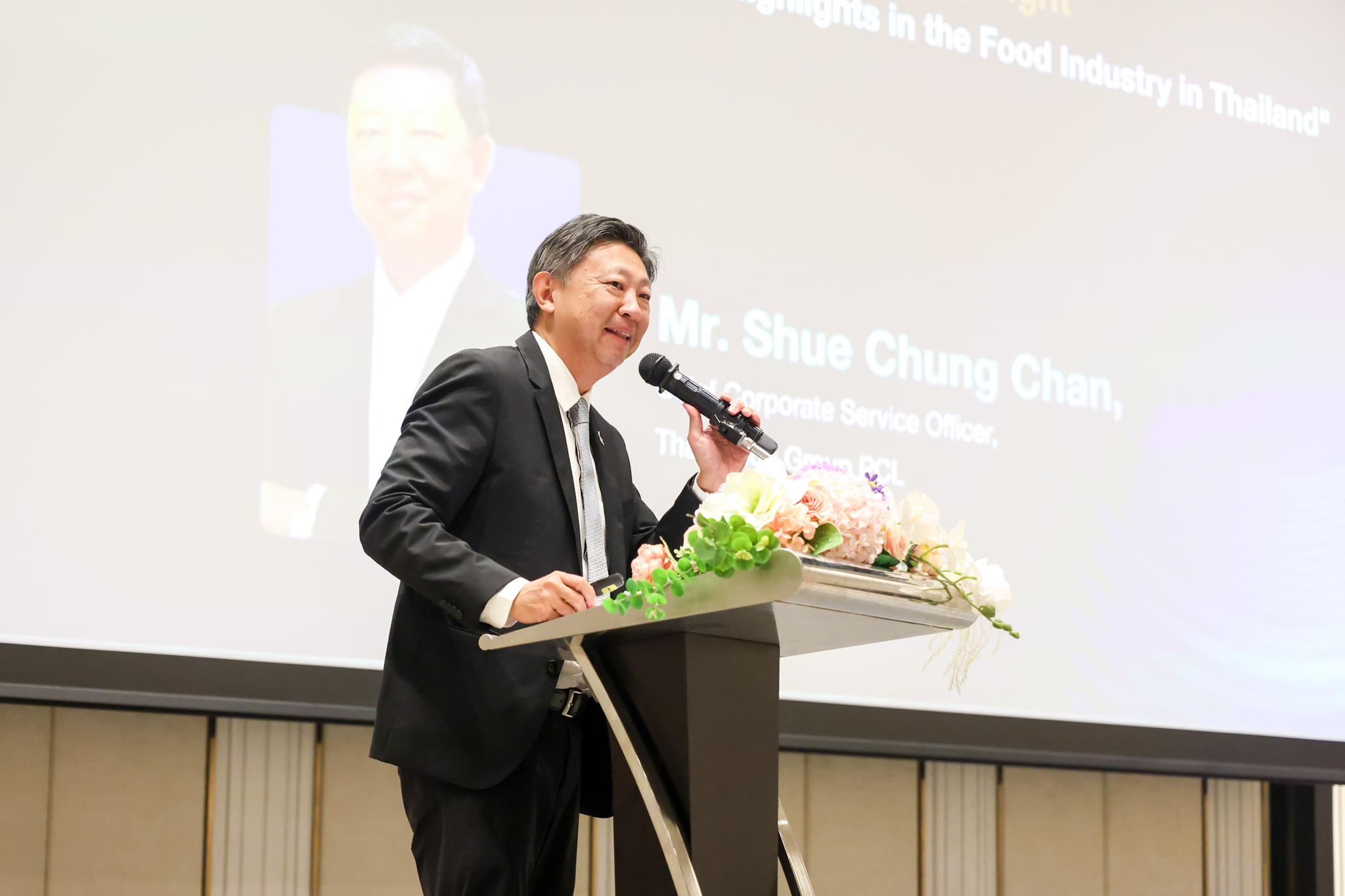
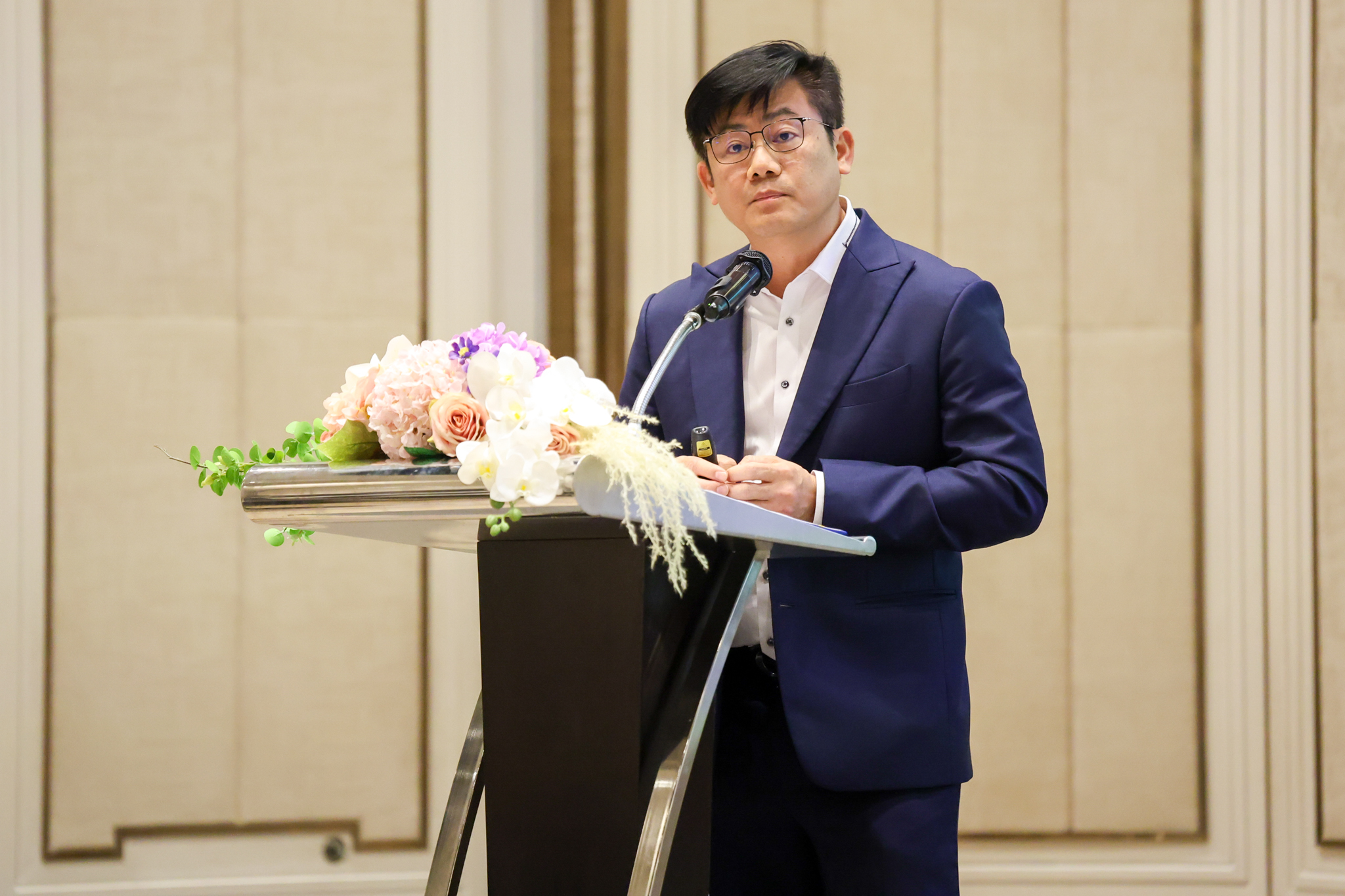
Mr. Veerachai Chantasumaetakul, Country Head of Evonik (Thailand) Ltd..; and Mr. Shue Chung Chan, Chief Corporate Services Officer of Thai Union Group PCL. They shared perspectives on food industry development in the areas of innovation, sustainability, value creation, and collaboration between industry and government to strengthen Thailand’s long-term competitiveness.
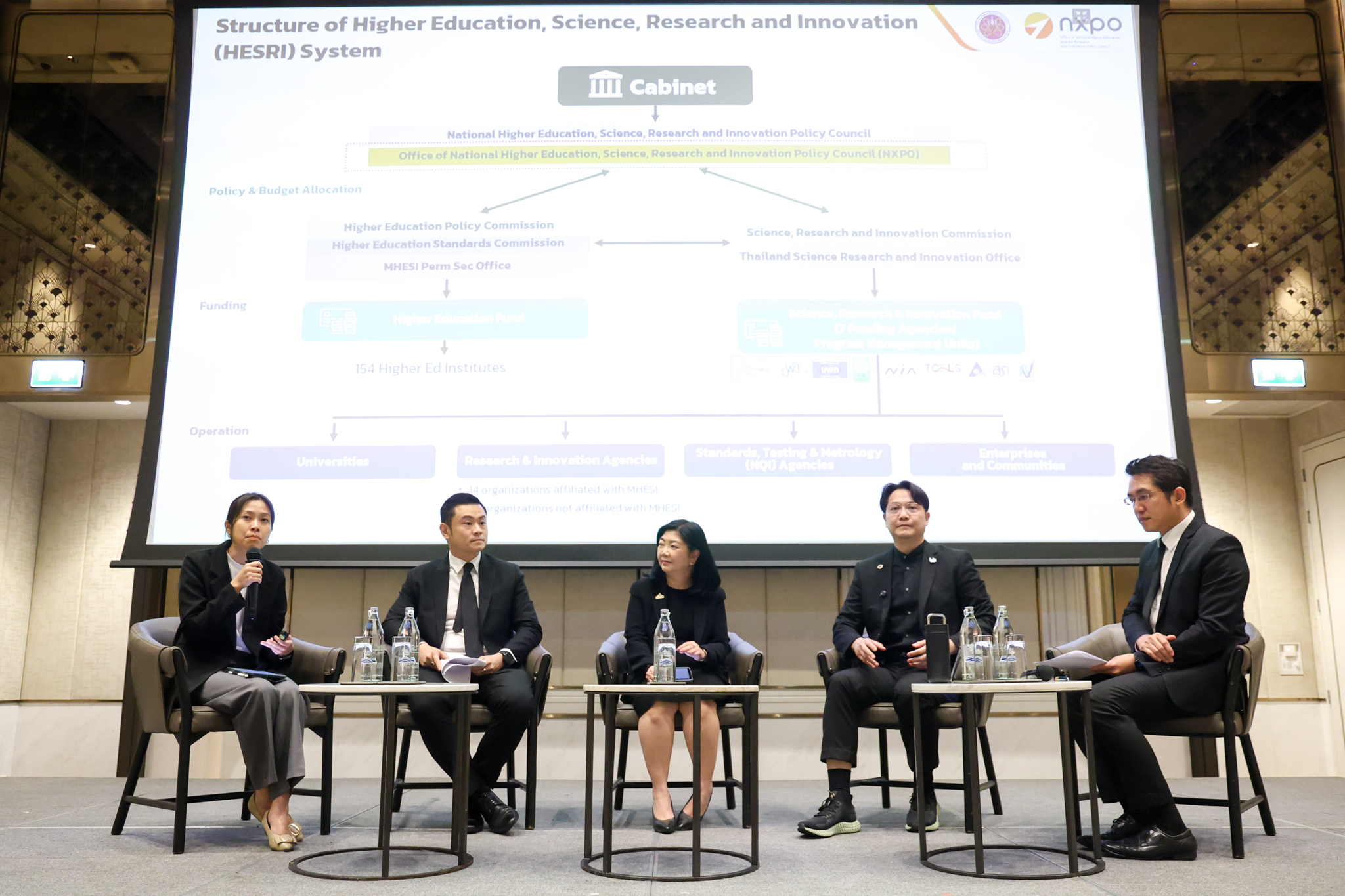
The event also included a panel discussion titled “Thailand’s Food Industry Business Ecosystem”, featuring Ms. Sirinya Lim, Senior Director, Bioeconomy Policy Division, Office of National Higher Education Science Research and Innovation Policy Council (NXPO); Mr. Pachai Chanpitaksa, Vice Chairman of the Food and Beverage Industry Club, The Federation of Thai Industries; Mrs. Mathuvalee Stithyudhakarn, Vice President, Special Project of the Food Science and Technology Association of Thailand (FoSTAT); and Mr. Santi Abakaz, Chief Executive Officer and Co-founder of TasteBud Lab. The panel exchanged views on consumer trends, research and development, food innovation, talent development, and the creation of an ecosystem conducive to the growth of Thailand’s food industry. The panelists agreed on the importance of integrating collaboration among the public sector, private sector, and academia to commercialize research, develop talent with skills suited to modern industries, and build a comprehensive innovation ecosystem that supports investment.
The forum reflected EECO’s commitment to serving as a key mechanism for connecting collaboration among the public sector, private sector, and academic institutions. Through investment support, innovation promotion, and business ecosystem development, EECO aims to foster the sustainable growth of the food industry, enhance Thailand’s competitiveness, and advance the country toward becoming a regional hub for the future food industry, while creating economic growth based on innovation, sustainability, and inclusive cross-sector development.