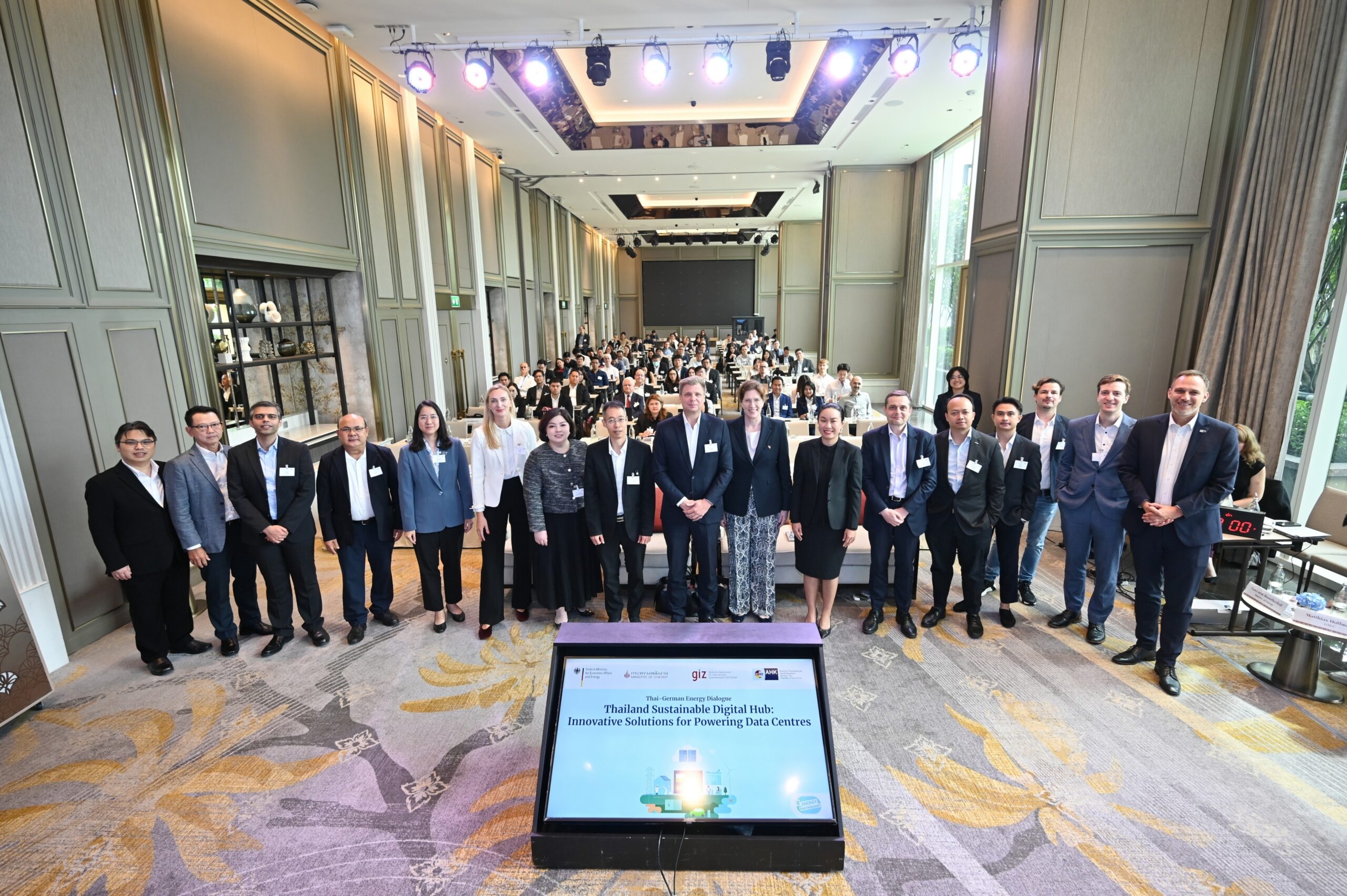
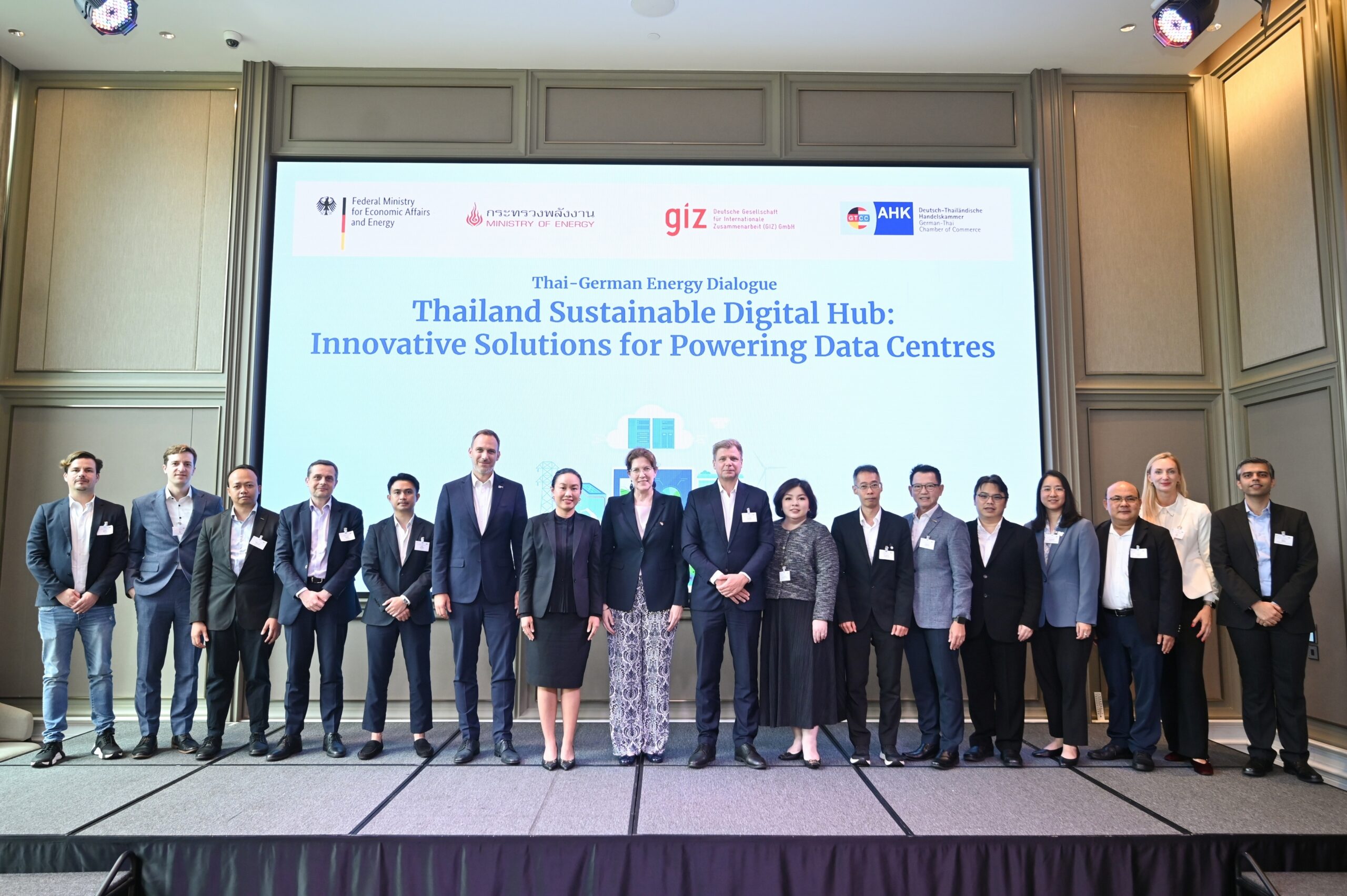
On 1 September 2026, Dr. Cholachit Vorawangso Virakul, Assistant Secretary-General of the Eastern Economic Corridor Office of Thailand (EECO), participated in the Thai-German Energy Dialogue: “Thailand Sustainable Digital Hub: Innovative Solutions for Powering Data Centres” at Grande Centre Point Lumphini, Bangkok. The event provided a platform for Thai and German stakeholders to exchange perspectives on the development of data centers and digital infrastructure, with a focus on supporting the growth of the digital economy while ensuring energy security, resource efficiency, and sustainability.
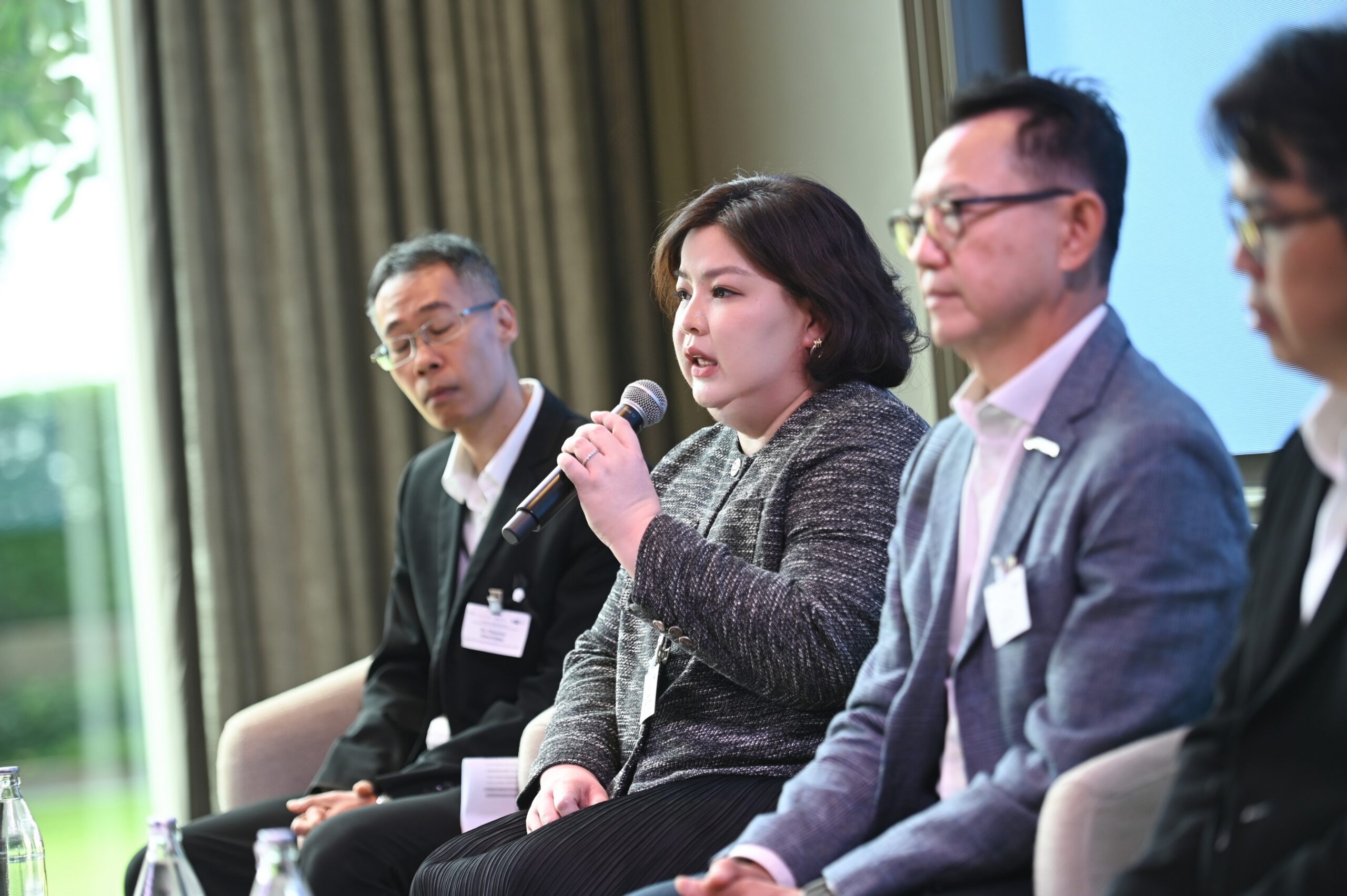
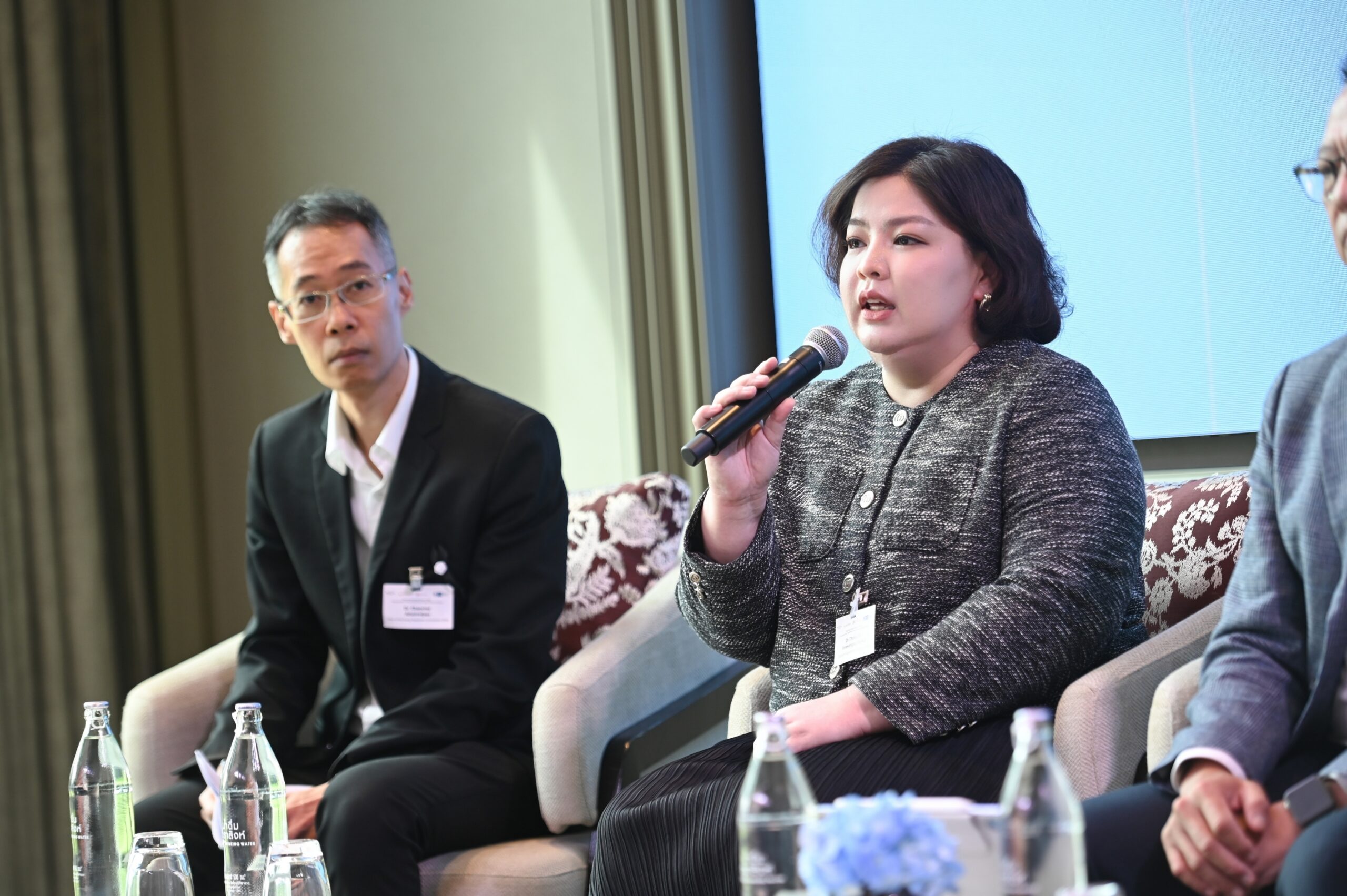
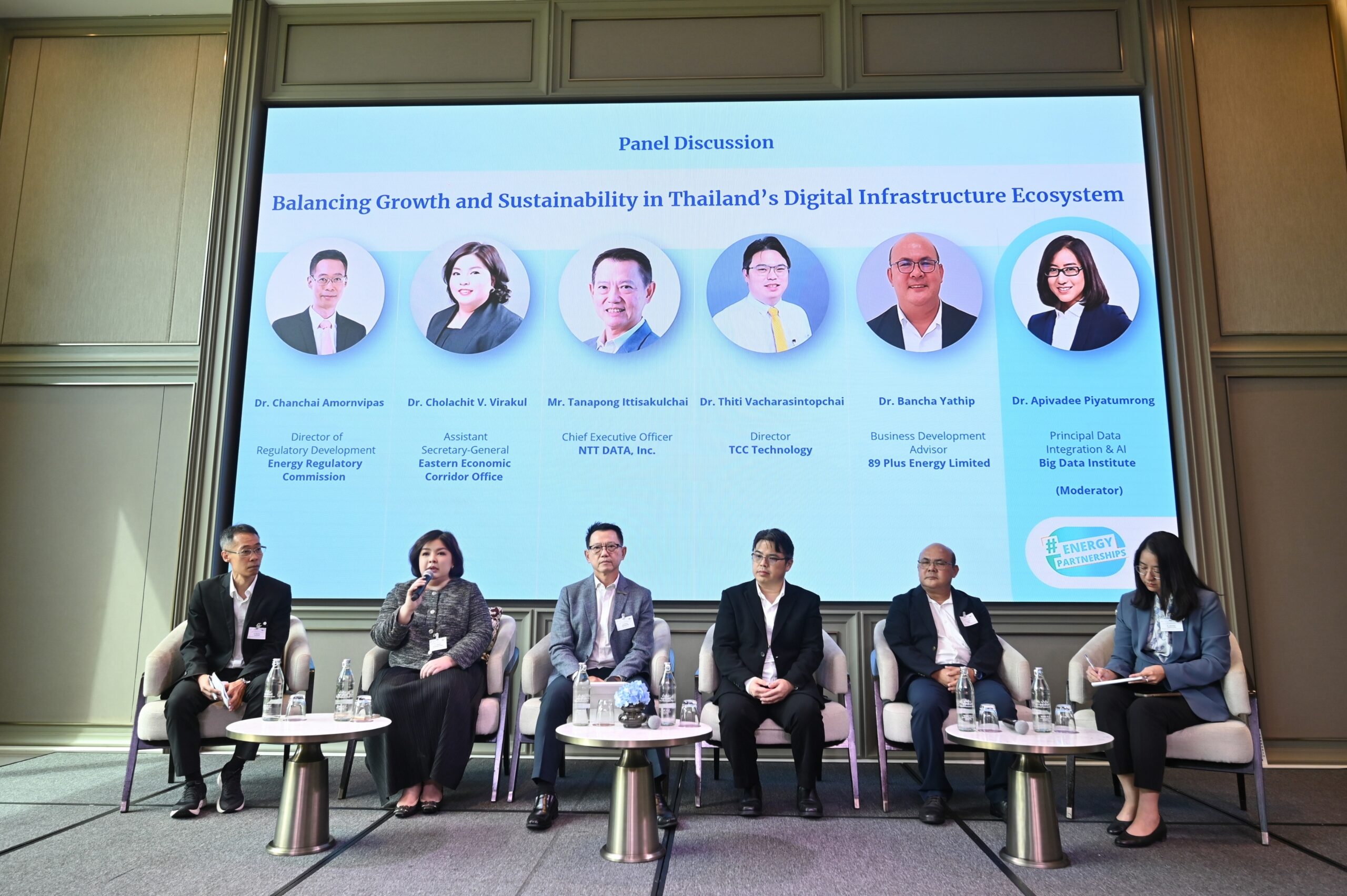
As part of the event, Dr. Cholachit joined the panel discussion on “Balancing Growth and Sustainability in Thailand’s Digital Infrastructure Ecosystem,” alongside representatives from the Energy Regulatory Commission (ERC), the data center industry, technology providers, and the energy sector. The discussion explored how Thailand can balance the rapid growth of data centers with the readiness of its energy system and infrastructure, while ensuring the sustainable development of the country’s digital infrastructure ecosystem.
Dr. Cholachit highlighted the growing importance of the EEC as a key destination for data center investment in Thailand. Of the 57 data center projects that have applied for investment promotion in Thailand, 29 are located in the EEC, accounting for more than half of the total number of projects. This reflects strong investor interest in the EEC’s potential to accommodate the continued expansion of Thailand’s digital infrastructure.
However, Dr. Cholachit emphasized the importance of distinguishing between the number and capacity of projects applying for investment promotion and the actual investment and energy demand, or “real demand,” that materializes. Investment applications do not necessarily mean that all proposed projects will be developed simultaneously or consume electricity at their full proposed capacity. Assessing project readiness therefore requires consideration of key factors such as land availability, power supply, water availability, and other essential infrastructure, enabling the government and relevant agencies to plan effectively for future demand.
For data center investment in the EEC, EECO adopts a tailor-made incentive approach, under which incentives are considered on a case-by-case basis through Rubric Scoring, together with a Cost-Benefit Analysis (CBA) from the country’s perspective. As a result, projects within the same business category may receive different levels of incentives depending on their quality, performance, and the benefits they are expected to generate for Thailand.
The assessment also places strong emphasis on the efficiency and sustainability performance of data center projects. Key indicators, including Power Usage Effectiveness (PUE), Water Usage Effectiveness (WUE), and Carbon Usage Effectiveness (CUE), form part of the assessment framework to encourage efficient use of energy and resources and ensure that data center investment contributes long-term value to the country.
Beyond tax incentives, EECO can also support investors through non-tax incentives, facilitation of relevant licenses and permits, and coordination on the readiness of land, power, water, and other essential infrastructure. These mechanisms enable the EEC to provide more comprehensive support to investors throughout project development and implementation.
From an energy perspective, while the growth and concentration of data centers in the EEC will increase electricity demand, concentrated and clearly identifiable demand can also provide greater visibility for energy and grid developers to plan infrastructure investment more effectively. This can support the development of energy infrastructure needed to accommodate future investment, while also facilitating access to clean energy for data centers and other industries in the EEC.
Dr. Chonlachit emphasized that the key question for Thailand today is not whether the country should host data centers, but rather how Thailand can host them in a smart and sustainable manner. Achieving this will require a balance between investment growth, energy and infrastructure readiness, efficient use of resources, and the long-term economic benefits that data center investment can deliver to Thailand.
EECO’s participation in the Thai-German Energy Dialogue provided an important opportunity to exchange knowledge and experiences among government agencies, energy stakeholders, and businesses from Thailand and Germany. Such collaboration will contribute to identifying practical approaches to accommodate data center growth and support Thailand’s development as a sustainable digital infrastructure hub, where digital growth advances alongside energy security, resource efficiency, and long-term sustainability